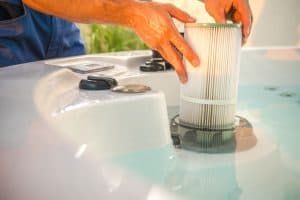
Filters for a Hot Tub: Maintenance Tips for Clean, Clear Water
When it comes to keeping your spa

A used hot tub can be a sensible way to enjoy the benefits of a spa at a lower upfront cost, but where you buy it from matters. Buying from a retailer is usually safer because the hot tub may have been checked, prepared, cleaned and supported with delivery or installation advice. Buying from a private seller can be cheaper, but it usually carries more risk, especially if you cannot confirm the hot tub’s condition, service history or working order.
The right choice depends on your budget, confidence, access arrangements and willingness to take on potential repairs. A second hand hot tub can be excellent value when it has been well looked after. It can also become expensive if hidden faults, moving costs or missing parts are discovered too late.
Why do people consider buying a used hot tub?
Many buyers look at used hot tubs because they want to reduce the initial purchase cost. A new hot tub is a significant investment, and a pre-owned model can make ownership feel more accessible.
Used hot tubs can also appeal to people who are unsure how often they will use one. Rather than buying a brand-new premium model straight away, they may want to start with a more affordable option.
There are good reasons to consider a used hot tub, including:
However, the lower price should not be viewed in isolation. The total cost includes transport, installation, electrical work, servicing, replacement parts, filters, cover condition and any repairs needed after purchase.
What are the benefits of buying from a retailer?
Buying a used hot tub from a retailer usually gives you more reassurance than buying privately. A reputable retailer should understand what to check before offering a used model for sale and may be able to advise on whether it is suitable for your garden, access route and intended use.
Depending on the retailer and the specific hot tub, benefits may include inspection, cleaning, preparation, delivery support, installation guidance and aftercare advice. You may also have a clearer point of contact if something goes wrong shortly after purchase.
Retailers are also more likely to understand common issues such as pump faults, heater problems, worn covers, filter condition, cabinet damage and electrical requirements. This does not mean every used hot tub from a retailer is perfect, but it does usually mean you have more support during the buying process.
For buyers who want a used hot tub but do not want to manage everything alone, a retailer can offer a more practical route.
What are the risks of buying from a private seller?
Buying a used hot tub from a private seller can work out well, but it carries more responsibility for the buyer. The main risk is that you may not know the true condition of the hot tub until after it has been moved, installed and filled.
A hot tub may look clean in photos but still have issues with pumps, heaters, pipework, jets, controls, seals or insulation. Some faults only appear when the tub is full, heated and running.
Common private sale risks include:
The phrase “working when last used” should be treated carefully. A hot tub that has been empty, disconnected or unused for a long period may have developed problems since it was last running.
Should you view the hot tub working before buying?
Yes, wherever possible, you should view a used hot tub filled, heated and running before buying. This is one of the most important checks, particularly when buying privately.
Seeing the hot tub operating allows you to check whether the pumps run properly, jets work, heater functions, control panel responds and water circulates as expected. You can also look for leaks around the base, cabinet and equipment area.
If the seller says the hot tub has already been drained, ask when it was last used and why it was emptied. There may be a genuine reason, such as moving house, but it does make the purchase riskier.
A dry hot tub is much harder to assess. Unless you are confident and prepared for possible repair costs, be cautious.
What should you check before buying a used hot tub?
Before buying a used hot tub, you should inspect both the visible condition and the working components. A hot tub is not just a shell with seats. It includes pumps, heaters, pipework, insulation, electrics, jets, controls and filters.
Check the following carefully:
Also ask why the owner is selling. A genuine upgrade, move or garden redesign is different from selling because problems have become too frequent or costly.
How important is the hot tub cover?
The cover is more important than many buyers realise. A poor cover can increase heat loss, let debris into the water and make the hot tub less efficient. Replacing a hot tub cover can add a noticeable cost to the purchase.
When viewing a used hot tub, check whether the cover feels unusually heavy. A waterlogged cover may have absorbed moisture and lost much of its insulating ability. Look for cracks, sagging, broken straps and damaged stitching.
A hot tub with a tired cover is not necessarily a bad buy, but the replacement cost should be factored into your decision.
How old is too old for a used hot tub?
There is no single age that makes a used hot tub unsuitable. A well-maintained older model may be better than a newer one that has been neglected. Condition, service history and parts availability are more important than age alone.
That said, older hot tubs can carry higher risk. Components may be worn, covers may be less effective, and replacement parts may be harder to find. Insulation and energy efficiency may also be poorer than newer models.
Ask for the make, model and approximate age. If the seller cannot provide basic information, proceed carefully. You need to know whether parts, filters and technical support are still available.
How much does moving a used hot tub cost?
Moving a used hot tub can be more complicated than many buyers expect. Even a compact hot tub is large, heavy and awkward to transport. The cost depends on access, distance, size, lifting requirements and whether specialist equipment is needed.
A private seller may advertise a hot tub at an attractive price, but the buyer is often responsible for collection. If the hot tub is in a difficult garden, down steps or behind narrow access, removal may cost more than expected.
You also need to consider delivery to your property. A hot tub needs a clear access route, suitable base and safe installation area. If lifting equipment is needed, this can affect the total cost.
For planning support, a suitable internal link could be: hot tub installation.
Do used hot tubs need professional installation?
Professional installation is strongly recommended for many used hot tub purchases. Even if the hot tub itself is pre-owned, it still needs to be installed safely and correctly.
A suitable base, electrical connection and access clearance are all essential. Electrical work should be handled by a qualified professional. The hot tub should also be checked before use to make sure it is safe, clean and functioning properly.
Trying to save money by cutting corners on installation can lead to bigger problems later. Poor positioning, weak bases, unsafe electrics or blocked service access can all reduce the long-term value of the purchase.
Is a used hot tub cheaper in the long run?
A used hot tub may be cheaper upfront, but it is not always cheaper over time. If it needs repairs, a new cover, new filters, replacement parts or professional servicing soon after purchase, the total cost can rise quickly.
A good used hot tub from a trusted source can still represent excellent value. The key is to compare the total expected cost with the cost of a new model.
Consider:
Sometimes, spending more with a retailer can be better value than buying the cheapest private listing.
When is a used hot tub not worth buying?
A used hot tub may not be worth buying if there are signs of major damage, unclear working condition or poor maintenance. If the seller cannot show it running, cannot provide basic details or seems unwilling to answer questions, be cautious.
Warning signs include persistent leaks, damaged shell, loud pump noises, control panel errors, missing panels, waterlogged cover, strong odours or signs that the hot tub has been left unused outdoors for a long time.
It may also be a poor choice if the model is very old and parts are difficult to source. Even if the purchase price is low, repair costs can outweigh the savings.
A bargain is only a bargain if the hot tub is safe, usable and practical to maintain.
What are the benefits of buying new instead?
While a used hot tub can be appealing, buying new gives you more choice, reassurance and long-term confidence. You can choose the size, seating layout, features, colour and specification that suit your home.
A new hot tub may also come with clearer warranty support, modern insulation, efficient components and a known service history from day one.
For some buyers, especially first-time owners, the simplicity of buying new may outweigh the saving of buying second hand. For others, a carefully chosen used model may be the right compromise.
For new options, a suitable internal link could be: hot tubs.
Retailer or private seller: which is better?
For most buyers, a retailer is the safer choice when buying a used hot tub. You are more likely to receive guidance, support and a clearer understanding of what you are buying. This is especially valuable if you are new to hot tub ownership.
A private seller may be better if you are confident, understand what to check and are comfortable arranging transport, inspection and installation yourself. It may also work if the hot tub is still installed, filled and running, with good maintenance history and clear model details.
The decision is really about risk. A private sale may be cheaper, but the buyer carries more responsibility. A retailer may cost more, but usually offers more confidence.
Frequently Asked Questions
Is it safe to buy a used hot tub?
It can be safe to buy a used hot tub if it has been well maintained, can be viewed working and is installed correctly. Buying from a reputable retailer usually reduces risk.
Should I buy a used hot tub without seeing it running?
It is risky to buy a used hot tub without seeing it filled, heated and running. Some faults only appear during operation.
What should I ask a private seller?
Ask about age, model, service history, reason for sale, known faults, cover condition, last use and whether the hot tub can be viewed working.
Can a used hot tub be moved easily?
Hot tubs are large and heavy, so moving them is rarely simple. Access, lifting, transport and delivery should be planned before buying.
Is a used hot tub better than a new one?
A used hot tub can offer good value, but a new one gives more choice, warranty support and confidence. The best option depends on budget, condition and long-term expectations.
A used hot tub can be a worthwhile purchase, but it should be approached carefully. Buying from a retailer is usually the safer route because you are more likely to receive advice, preparation and support. Buying privately can save money, but it also increases the risk of hidden faults, transport issues and unexpected repair costs.
Before committing, look beyond the purchase price. Consider condition, service history, installation, access, cover quality and long-term maintenance. The right used hot tub can be excellent value. The wrong one can quickly become expensive.
To discuss hot tub options, installation planning or maintenance support, speak to Total Hot Tubs for practical advice.
Phone: 0800 999 8707
Mobile: 07880 358 034
Email: info@totalhottubs.co.uk
Find out more: https://totalhottubs.co.uk/
When it comes to keeping your spa

Thinking about adding a small hot tub
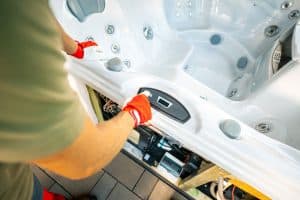
Hot tubs are built for relaxation —

If you’re new to spa ownership or

First-time hot tub buyers should know that choosing the right model is about much more than picking the biggest spa or the one with the
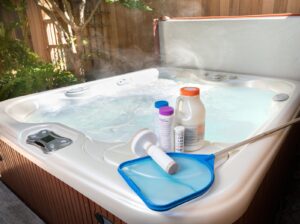
Used hot tubs can seem like a great way to save money, especially if you are looking to enjoy the benefits of a spa without
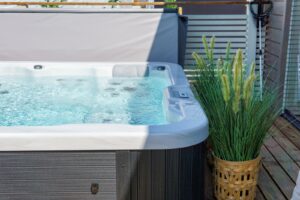
Searching for used hot tubs for sale can be an appealing way to save money while still enjoying the benefits of a spa at home.