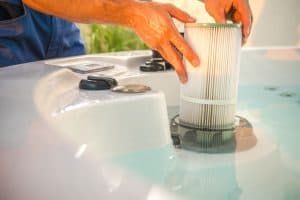
Filters for a Hot Tub: Maintenance Tips for Clean, Clear Water
When it comes to keeping your spa

First-time hot tub buyers should know that choosing the right model is about much more than picking the biggest spa or the one with the most jets. A good hot tub should suit your garden, your household, your lifestyle, your maintenance expectations and the way you actually plan to use it.
For many buyers, a hot tub is a long-term investment in relaxation, family time and outdoor living. It can be a brilliant addition to the home, but the best results come from planning properly before you buy. Size, seating layout, installation access, base preparation, electrical requirements, maintenance, running costs and aftercare all matter.
The aim is not to make buying a hot tub feel complicated. It is to help you make a confident, informed decision and avoid the common mistakes that first-time buyers often make.
What do you want from your hot tub?
Before looking at models, start with how you want to use the hot tub. This is the most important question because it affects almost every other decision.
Some buyers want a quiet relaxation space for two. Others want a family hot tub for weekends and evenings. Some want hydrotherapy-style massage, while others are more focused on social use, garden entertaining or holiday let appeal.
Think about who will use the hot tub most often. A couple may be happy with a compact 2 or 3 person model. A family may prefer a 4, 5 or 6 person hot tub. If you regularly invite guests round, extra seating and a more open footwell may be important.
A hot tub should fit your real life, not an idealised version of how you might use it once or twice a year.
The right size depends on household size, garden space and comfort expectations. It is tempting to choose the smallest model to save space or the largest model to maximise capacity, but neither approach is always best.
A small hot tub can be ideal for couples, smaller gardens and buyers who want easier day-to-day care. A medium hot tub can suit families who want a balance between space and practicality. A large hot tub is better for bigger households, entertaining or users who want more room to stretch out.
Capacity labels are useful, but they do not tell the full story. A 4-person hot tub may fit four people, but four adults may feel closer together than expected. A 6-person hot tub may offer more comfort even if only four people use it regularly.
When comparing sizes, look at:
For product options, a suitable internal link could be: hot tubs.
Should you choose loungers or upright seats?
Seating layout is one of the biggest comfort factors. Some hot tubs include loungers, where you can stretch out with your legs raised. Others have upright seats arranged for conversation and shared use.
A lounger can be excellent for relaxation, especially if one or two people will use the hot tub most often. However, it takes up more internal space. In a smaller model, a lounger can reduce flexible seating for families or guests.
Upright seats are often better for social use because people face each other more naturally. They can also make the footwell feel more open.
There is no right answer for everyone. If possible, view different layouts in person and imagine how your household will actually use the hot tub. Comfort is personal, and the best layout on paper may not be the best layout in practice.
How many jets do you really need?
Many first-time buyers assume more jets automatically means a better hot tub. In reality, jet quality, positioning and pump performance matter more than the total number.
A hot tub with lots of poorly positioned jets may be less enjoyable than one with fewer, better-designed jets. The massage should suit the areas you care about, such as back, shoulders, legs or feet.
Think about whether you want gentle relaxation, stronger massage or a mixture of both. Families may prefer varied seating so different users can choose different levels of intensity.
The best hot tub is not necessarily the one with the longest feature list. It is the one that feels comfortable and useful for the way you want to relax.
What garden space do you need?
Before buying, measure your intended space carefully. Remember that the hot tub footprint is only part of the requirement. You also need room for safe access, steps, cover movement, servicing and everyday use.
A common first-time mistake is choosing a hot tub that technically fits but feels cramped once installed. You should be able to move around the entry side safely and access key service panels when needed.
Consider the route from the house too. In the UK, a hot tub is more likely to be used throughout the year if it is easy to reach in cold, wet or dark conditions. A short, well-lit route from the back door can make a big difference.
Also think about privacy. A hot tub should feel relaxing, not exposed. If neighbours overlook the area, allow space for screening, planting or a pergola-style structure.
What base does a hot tub need?
A hot tub needs a strong, level and stable base. This is essential because a filled hot tub is extremely heavy once water and people are added.
Suitable bases may include concrete pads, reinforced patios or appropriately designed decking. Soft lawn, uneven paving or weak decking is not suitable without proper preparation.
The base should be planned before delivery. It should be large enough for the hot tub and any immediate access needs, such as steps. It should also allow water to drain away from the surrounding area.
If you are unsure whether an existing patio or decking area is suitable, get advice before placing an order. Correct base preparation helps protect the hot tub and makes the installation safer.
For related guidance, a suitable internal link could be: hot tub installation.
What access is needed for delivery?
Delivery access is another area first-time buyers often underestimate. Hot tubs are large, heavy and awkward to move. Even smaller models need a clear route from the delivery point to the final position.
Check side gates, paths, corners, steps, walls, fences, low branches, drainpipes and overhead obstructions. The hot tub may be moved on its side, so both width and height need to be considered.
If access is limited, specialist lifting may be needed. This does not always prevent installation, but it can affect planning and cost.
It is much better to discuss access before choosing a model than to discover a problem on delivery day.
What electrical requirements should you expect?
Hot tubs need a suitable electrical supply. Requirements vary by model, so you should check the specific specification before installation.
Electrical work should be completed by a qualified professional. Outdoor electrical supplies must be safe, properly protected and suitable for the load. This is not an area for shortcuts.
Some hot tubs may be designed for simpler electrical setup, while others require a dedicated supply. Larger models, more powerful pumps and additional features can affect requirements.
First-time buyers should include electrical preparation in the total project budget, not treat it as an afterthought.
How much maintenance does a hot tub need?
Hot tub maintenance is manageable, but it must be consistent. The main tasks include testing water, balancing chemicals, cleaning filters, wiping the waterline, looking after the cover and draining and refilling when required.
The amount of maintenance depends on how often the hot tub is used, how many people use it and how well you follow a routine. Families, holiday lets and frequent users will place more demand on the water than occasional use by one or two adults.
Good habits make maintenance easier. Showering before use, keeping the cover on when not in use and cleaning filters regularly all help keep the water clear.
For first-time buyers, the most important thing is to be realistic. A hot tub is not difficult to look after, but it is not maintenance-free.
For ongoing care, a suitable internal link could be: hot tub maintenance.
What affects hot tub running costs?
Running costs vary depending on size, insulation, water temperature, usage, weather exposure, cover quality and energy prices. A well-insulated hot tub with a good cover will usually retain heat better than a poorly insulated model.
Bigger hot tubs often hold more water, which can affect heating and chemical use. However, size is not the only factor. A high-quality, efficient model may perform better than a cheaper tub with poor insulation.
Placement can also make a difference. A hot tub in a windy, exposed position may lose heat more quickly than one in a sheltered area. Keeping the cover on when the tub is not in use is one of the simplest ways to reduce heat loss.
When comparing models, ask about insulation, cover quality and efficiency, not just the purchase price.
Should first-time buyers choose new or used?
Both options can make sense, but they carry different levels of risk. A new hot tub gives you more choice, clearer warranty support and a known history from day one. You can select the size, layout and specification that suits your needs.
A used hot tub may cost less upfront, but condition is critical. You need to consider age, service history, cover condition, pump performance, heater function, leaks, delivery and installation. If repair costs appear soon after purchase, the saving can quickly disappear.
First-time buyers often benefit from the reassurance of buying through a retailer because they can receive advice, support and guidance. Private sales can work, but they require more confidence and careful checking.
What mistakes should first-time hot tub buyers avoid?
The most common mistakes are usually avoidable with proper planning.
First-time buyers should avoid choosing based only on price. A cheaper model may cost more over time if it is inefficient, uncomfortable or poorly suited to your garden.
Another mistake is buying too small. If the hot tub feels cramped, it may be used less often. Equally, buying too large can increase space requirements and maintenance when a smaller model would have suited your lifestyle better.
Do not ignore access, base preparation or electrics. These practical details are just as important as colour, jets and lighting.
Finally, avoid assuming all hot tubs are the same. Build quality, insulation, seating comfort, aftercare and installation support can vary significantly.
Should you wet test or view before buying?
Where possible, viewing hot tubs in person is helpful. Photos and specifications are useful, but they do not always show seat depth, comfort, footwell space or how the layout feels.
A wet test, where available, can be especially useful for serious buyers. It allows you to understand comfort, jet strength and seating position before committing.
If a wet test is not possible, at least try to sit in a dry display model. This can still reveal whether the seats suit your height and whether the layout feels practical.
What accessories should you plan for?
Some accessories are practical rather than optional. Steps, a quality cover, cover lifter and water care products all make ownership easier.
Other extras may improve comfort and usability, such as handrails, lighting, towel storage, privacy screening and nearby seating. These do not all need to be purchased immediately, but they should be considered when planning the space.
Think about the full hot tub area, not just the hot tub itself. A well-planned setup will be safer, more convenient and more inviting to use.
How important is aftercare?
Aftercare is very important, especially for first-time hot tub buyers. Even with good instructions, it is normal to have questions about water care, filters, settings, servicing and seasonal use.
Buying from a supplier that can provide practical support can make ownership much easier. You may need advice on maintenance routines, replacement filters, water quality, servicing or future accessories.
A hot tub is not a one-day purchase. It is something you will use and maintain over time, so it helps to have reliable support available.
Frequently Asked Questions
What is the best hot tub size for first-time buyers?
The best size depends on who will use it most often. Couples may prefer a 2 or 3 person model, while families may need a 4, 5 or 6 person hot tub for comfort.
Is hot tub maintenance difficult?
Hot tub maintenance is not difficult once you have a routine, but it does need consistency. Water testing, filter cleaning and cover care are key habits.
Can a hot tub go on decking?
A hot tub can go on decking only if the decking is structurally suitable and designed to support the filled weight. Standard decking may need reinforcement.
Are more jets always better?
No. Jet placement, pump performance and seat design matter more than the number of jets. Comfort and usability should come first.
Should I buy a new or used hot tub first?
A new hot tub offers more reassurance, warranty support and choice. A used hot tub can offer value, but condition, installation and repair risk should be checked carefully.
First-time hot tub buyers should focus on suitability, not just features. The right hot tub should match your household, garden space, comfort preferences, maintenance expectations and long-term plans. A model that looks impressive online may not be the best choice if it is too large, too cramped, awkward to install or difficult to maintain.
Take time to consider size, seating, base preparation, access, electrics, running costs and aftercare before making a decision. With the right planning, a hot tub can become a relaxing and practical part of your home throughout the year.
To explore suitable hot tubs and get practical advice before buying, speak to Total Hot Tubs.
Phone: 0800 999 8707
Mobile: 07880 358 034
Email: info@totalhottubs.co.uk
Find out more: https://totalhottubs.co.uk/
When it comes to keeping your spa

Thinking about adding a small hot tub
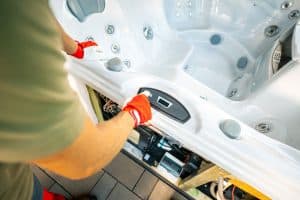
Hot tubs are built for relaxation —

If you’re new to spa ownership or

Cloudy hot tub water usually means that fine particles, oils, microorganisms or treatment products are remaining suspended in the water instead of being removed or
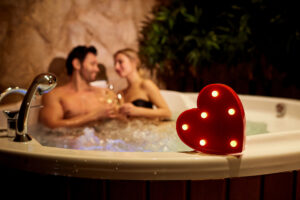
Small hot tubs for couples can be an excellent investment when they suit the available space, budget and way the owners expect to use them.
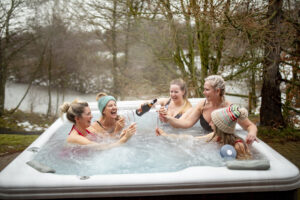
A used hot tub can be a sensible way to enjoy the benefits of a spa at a lower upfront cost, but where you buy