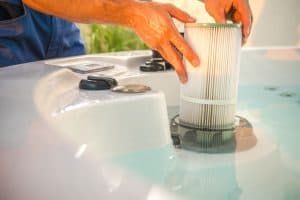
Filters for a Hot Tub: Maintenance Tips for Clean, Clear Water
When it comes to keeping your spa

Large hot tubs can add considerable practical and lifestyle value to a garden when they are positioned carefully and suited to the needs of the household. Rather than being treated as a standalone product, a well-planned hot tub can become the centre of an outdoor relaxation and entertaining area that is used throughout much of the year.
For families, couples who regularly entertain or holiday let owners, a six-person or larger hot tub may make the garden more sociable and versatile. It can encourage people to spend more time outdoors, provide a place to unwind and help turn an underused patio into an inviting part of the home.
However, adding value does not necessarily mean guaranteeing a higher property sale price. The real benefit often comes from improving how the owners use and enjoy their outdoor space. Any effect on resale value will depend on the quality of the installation, the expectations of future buyers and whether the garden still feels balanced and easy to maintain.
A large hot tub is therefore most valuable when it is chosen as part of a wider garden plan rather than placed wherever there happens to be enough room.
How can a large hot tub improve the way a garden is used?
Many gardens contain a patio, lawn or seating area that receives limited use outside warm summer days. A hot tub can extend the garden’s purpose beyond conventional outdoor dining and create a reason to use the space during cooler weather.
Because the water is heated, owners are not entirely dependent on sunshine or high daytime temperatures. A well-sheltered hot tub may be enjoyed on cool evenings, during autumn and, with appropriate care, throughout winter.
This can make the garden feel more like an extension of the home rather than a separate space that is only used occasionally.
It creates a dedicated place to relax
A large hot tub provides enough room for several users to sit comfortably without the space feeling crowded. Depending on the seating layout, owners may have a choice of upright massage seats, loungers and different jet arrangements.
The garden then gains a defined relaxation area that can be used after work, at weekends or following physical activity. Families may use it as a place to spend time together, while couples may appreciate having a choice of seats and more freedom of movement than a compact model provides.
The value comes partly from convenience. There is no need to travel to a spa or leisure facility when a private relaxation space is available at home.
It encourages year-round outdoor living
British weather can limit how often patios and garden furniture are used. A hot tub does not eliminate the effects of rain, wind or cold, but it can make outdoor living more appealing across a wider range of conditions.
Features such as a pergola, privacy screen or carefully positioned planting can make the area feel more sheltered. Suitable lighting and a safe pathway can also make evening use more practical.
This creates a garden with a clearer purpose throughout the year. Instead of being viewed only from inside the house, the space becomes somewhere household members actively choose to spend time.
It can make an underused area more functional
A large patio or hardstanding area may feel empty if it contains only a table and chairs. Introducing a hot tub can give the area a focal point and help define how different parts of the garden are used.
For example, the garden might be divided into:
This type of zoning can make a large garden feel more considered and easier to enjoy. The hot tub becomes one element of the overall design rather than an object placed without context.
Are large hot tubs suitable for families and entertaining?
Large hot tubs are particularly well suited to households where several people are likely to use the water at the same time. A six-person or larger model can accommodate family members, visiting friends or guests more comfortably than a compact alternative.
However, advertised capacity should be treated as a guide. Six designated seats do not necessarily mean six adults will have generous legroom. Shell shape, footwell size, seat depth and the balance between loungers and upright positions all influence real-world comfort.
Families can use the space together
For families with older children, a larger hot tub can provide a shared activity that encourages conversation and time away from televisions and phones.
Parents should establish clear safety rules and supervise children appropriately. The manufacturer’s guidance should always be followed, particularly regarding temperature, bathing duration and suitability for younger users.
A family model may also be more adaptable over time. A hot tub purchased for a couple could later be used by children, grandchildren or visiting relatives. Choosing sufficient capacity at the beginning can avoid outgrowing the installation too quickly.
Entertaining becomes easier
A large hot tub can support relaxed social occasions without requiring the garden to become a formal entertaining venue. Friends may use it during an evening gathering, barbecue or weekend visit.
The surrounding layout is important. Guests need somewhere to leave towels, robes and footwear, along with a safe route between the house and hot tub. Seating outside the water allows people to socialise without everyone needing to use the tub at once.
Good planning also protects the rest of the garden. A paved route, suitable drainage and stable steps can prevent wet feet from creating muddy or slippery areas.
Holiday lets may gain an appealing feature
A large hot tub can make a holiday property more attractive to families and groups, particularly where guests are looking for a relaxing rural or coastal break.
For holiday let owners, the decision involves more than selecting a popular feature. The hot tub must be appropriate for repeated guest use and supported by a robust cleaning, water-care and maintenance routine.
Commercial or business use may also be subject to different requirements from purely domestic ownership. Owners should obtain appropriate professional advice and ensure that their operating procedures, insurance and water management responsibilities are understood.
Can a hot tub increase the value of a property?
A professionally installed hot tub may improve the appeal of a property to buyers who value outdoor living, wellness features and entertaining space. It can help a garden appear distinctive and create a memorable impression during viewings.
However, it would be unwise to assume that the purchase price will be added directly to the eventual selling price of the home.
Different buyers respond differently to hot tubs. Some may view one as an attractive lifestyle feature, while others may be concerned about maintenance, energy use or the loss of open garden space.
Lifestyle value is easier to assess
The clearest return is the value the owners receive while living at the property. This may include:
These benefits are personal but significant. A hot tub that is used several times each week is likely to feel more worthwhile than one installed solely in the hope of increasing resale value.
Installation quality affects buyer perception
A hot tub is more likely to be viewed positively when the installation appears safe, tidy and integrated into the garden.
A level base, concealed but accessible electrical provision, good drainage and an attractive surrounding area help create a professional finish. By contrast, damaged decking, exposed cables or poor access may make the feature look like a future problem.
Keeping service records and maintenance information may also reassure a potential buyer. Documentation can demonstrate that the hot tub has been cared for rather than neglected.
Think about whether the hot tub will stay
Some hot tubs may be treated as removable items rather than permanent fixtures. Before marketing a property, owners should decide whether the tub is included in the sale and make this clear through the appropriate legal and estate agency documentation.
Removing a hot tub before moving can also leave a large empty base or altered garden layout. It is therefore sensible to design the surrounding space so it could be adapted for seating, a garden room or another use if the hot tub is removed later.
How should a large hot tub be incorporated into a garden design?
The most successful installations consider views, privacy, access and proportions. A hot tub should feel connected to the house and garden without dominating every other feature.
Begin by looking at the proposed position from inside the home. A large hot tub may be visible from a kitchen, lounge or bedroom, so consider whether the view will remain attractive when the cover is fitted.
Position it close enough to the house
A hot tub located near the house is usually more convenient to use. A shorter route means less time walking outside in swimwear, especially during cold or wet weather.
It can also make it easier to carry towels and access indoor changing facilities. However, the tub should not block doors, windows, drains or essential maintenance access.
The ideal distance depends on the garden layout and property design. Convenience should be balanced with noise, privacy and the visual relationship between the hot tub and the house.
Protect privacy without creating an enclosed box
Privacy can be achieved through fencing, planting, trellis panels, pergolas or purpose-designed screens. The goal is to reduce overlooking while maintaining airflow and a pleasant outlook.
Dense screening on every side may make the area feel cramped. It can also restrict access to equipment panels and make servicing more difficult.
Consider sightlines from neighbouring windows as well as from other parts of your own property. A strategically positioned screen may provide more effective privacy than enclosing the entire installation.
Keep maintenance access available
Large hot tubs contain pumps, heaters, controls and plumbing that may need to be inspected or repaired. Garden structures should not permanently block removable panels.
This is particularly important when the tub is recessed into decking. Although a sunken installation can look impressive, it must include sufficient access hatches and room for an engineer to work safely.
Future repairs are much easier when accessibility is designed into the project from the beginning.
Use suitable lighting
Low-level garden lighting can improve safety and help create a calm atmosphere. Paths, steps and level changes should be visible without shining harsh light directly into the users’ eyes.
Electrical products installed near water must be suitable for their intended location and fitted by an appropriately qualified professional.
Solar lights can contribute to the wider garden design, but they should not be relied upon as the only safety lighting where steps or obstacles are present.
What base does a large hot tub need?
A filled large hot tub is extremely heavy. The total load includes the empty shell and cabinet, hundreds or potentially thousands of litres of water and the weight of all occupants.
The base must be flat, stable and capable of supporting this load continuously. An unsuitable base may lead to movement, shell damage or problems with doors and equipment panels.
Concrete is commonly used, although other professionally prepared surfaces may be suitable depending on the manufacturer’s requirements.
Existing patios should be assessed
An existing patio may appear solid but still be unsuitable if slabs were laid on an inadequate base or have begun to move. Uneven paving can prevent the hot tub from sitting correctly and may place stress on the structure.
The area should be checked before delivery rather than after the tub has arrived. Correcting the base later would require draining and moving the installation.
Decking requires structural consideration
A standard domestic deck should not automatically be assumed to support a filled hot tub. The structure may require additional joists, supports or foundations.
A competent professional should assess the expected load and design the supporting structure accordingly. The hot tub manufacturer’s technical information should be used when calculating the total weight.
Drainage should be planned
Water will occasionally splash over the side, particularly when several people enter the tub. The area must allow this water to drain without pooling around steps or flowing towards the house.
Owners also need a suitable plan for scheduled water changes. A large volume of treated water should not simply be released into flower beds or allowed to flood neighbouring land.
Follow local requirements and water-care guidance when draining the hot tub.
What practical issues should be considered before installation?
A large hot tub requires more planning than finding a space that matches its measurements. Delivery access, electricity, water, servicing and ongoing care all need to be considered.
Can the hot tub reach the garden?
Measure gates, side passages and narrow corners. Check the height of walls, sheds, branches and overhead cables.
Large hot tubs are often transported on their side, which means the delivery dimensions may differ from the tub’s final installed footprint. Where direct access is not possible, specialist lifting equipment may be required.
An access assessment can identify these issues before the delivery date.
What electrical supply is required?
The electrical requirements depend on the model. Larger hot tubs frequently need a dedicated supply rather than a standard domestic socket.
Electrical work should be completed by a qualified electrician according to the manufacturer’s instructions and relevant regulations. The supply should be ready and tested before commissioning.
The route of the cable should also be planned so it does not become a trip hazard or detract from the finished garden.
How will the cover be handled?
A large hot tub cover can be awkward for one person to move without assistance. A cover lifter can make everyday use easier and reduce the risk of damage.
The chosen lifter may require clearance behind or beside the tub. This allowance must be included when deciding the final position.
The cover should be replaced whenever the tub is not being used. It helps retain heat, protects the water from debris and provides an important safety barrier.
Who will maintain the water?
Large hot tubs need regular testing and treatment. More users introduce more body oils, cosmetics and other contaminants into the water, particularly during social occasions.
Owners should understand how to test sanitiser levels, manage pH, clean filters and recognise early signs of a water-quality problem.
Professional hot tub maintenance can provide additional support, but routine owner checks remain essential between visits.
How do large hot tubs affect running and maintenance costs?
A large hot tub usually contains more water than a small model, so it may require more energy for initial heating and more water-treatment products during changes and routine care.
This does not mean every large model is inefficient. Insulation, cover quality, circulation systems and equipment design all influence consumption.
A high-quality, well-insulated large hot tub may retain heat more effectively than a poorly built smaller model.
Usage patterns make a difference
A household that uses the tub frequently may receive better lifestyle value from its energy costs than an owner who heats a large volume of water but rarely enters it.
Temperature settings also matter. Maintaining a higher water temperature generally requires more energy, particularly during cold weather.
Owners can support efficient operation by:
Regular maintenance can also help the equipment operate as intended. Dirty filters and neglected water can place additional strain on the circulation system.
Could a large hot tub overwhelm the garden?
Yes, particularly in a modest garden or where the installation has not been planned proportionately.
A large hot tub should leave enough space for movement, planting and other everyday uses. A family may still need lawn space, dining furniture, storage or room for children to play.
Before choosing a model, mark its full dimensions on the ground. Include the surrounding access area, steps and cover lifter rather than outlining only the cabinet.
This simple exercise provides a more realistic sense of scale. Viewing product photographs without measuring the garden can make even a substantial hot tub appear smaller than it really is.
For more choice, explore the available hot tubs, including models suited to families and larger groups.
Frequently Asked Questions
How many people can use a large hot tub?
Large hot tubs commonly accommodate six or more people, but genuine comfort depends on seat layout, footwell size and the users’ heights. Check the internal design rather than relying only on the advertised capacity.
Is a large hot tub suitable for a small garden?
It may fit, but it can dominate a compact space. Mark out the full installation area and ensure there is still room for safe access, cover operation, maintenance and other garden activities.
Does a hot tub need planning permission?
A standard domestic hot tub will not usually need planning permission by itself, but associated structures, raised decking or installations at certain properties may be subject to restrictions. Check with the relevant local planning authority when unsure.
Can a hot tub stay outside throughout winter?
Many properly designed hot tubs are intended for year-round outdoor use. Owners must maintain power, water chemistry and frost protection in accordance with the manufacturer’s instructions.
How long does a large hot tub last?
Its lifespan depends on build quality, installation, maintenance and availability of replacement parts. Regular servicing and prompt repairs can help protect the shell, plumbing and equipment over the long term.
Is a large hot tub a worthwhile addition to a garden?
A large hot tub can add substantial value to a garden by creating a comfortable place for relaxation, family time and entertaining. It may encourage more frequent outdoor use and turn an ordinary patio into a defined lifestyle space.
Its success depends on thoughtful planning. The model should match the number of regular users, fit the proportions of the garden and have a suitable supporting base. Privacy, access, lighting, drainage and maintenance must all be addressed before installation.
Homeowners should view increased property value as a possible secondary benefit rather than a guaranteed financial return. The main value is likely to come from years of personal use and greater enjoyment of the outdoor space.
When a large hot tub is professionally installed and integrated with the wider garden, it can feel like a natural extension of the home rather than an oversized addition.
For help selecting a larger model and planning a suitable setup, speak to Total Hot Tubs about garden dimensions, seating capacity and professional hot tub installation.
Phone: 0800 999 8707
Email: info@totalhottubs.co.uk
Find out more: https://totalhottubs.co.uk/
When it comes to keeping your spa

Thinking about adding a small hot tub
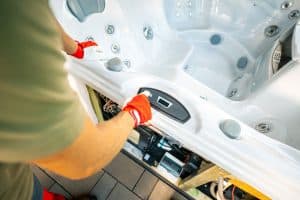
Hot tubs are built for relaxation —

If you’re new to spa ownership or
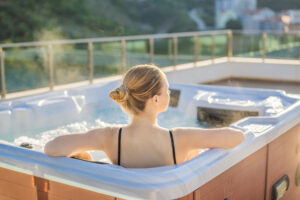
A hot tub can help increase bookings for a holiday let, especially if your property is aimed at couples, families, weekend breaks, luxury stays or

6 person hot tubs are a popular choice for families and those who enjoy entertaining, offering plenty of room for social use while still delivering
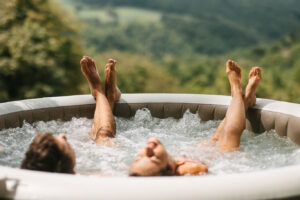
Large hot tubs for groups are designed for shared relaxation, making them ideal for families, social gatherings, and entertaining friends. With generous seating and powerful