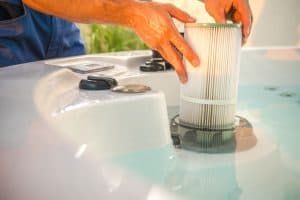
Filters for a Hot Tub: Maintenance Tips for Clean, Clear Water
When it comes to keeping your spa

Small hot tubs for couples can be an excellent investment when they suit the available space, budget and way the owners expect to use them. They provide many of the relaxation and hydrotherapy benefits associated with larger models while requiring less water, less garden space and, in many cases, less energy to keep warm.
However, a small hot tub is not automatically the right choice for every couple. The experience depends on the seating design, internal dimensions, jet arrangement, insulation and whether you plan to use the tub exclusively as a pair or occasionally invite friends and family.
The key is to think beyond the number printed in the product description. A model labelled as a two-person hot tub may contain two upright seats, two loungers or a combination of different seating positions. Each arrangement creates a noticeably different experience.
For couples who want a private place to relax together without allowing a hot tub to dominate the garden, a compact model can offer an appealing balance between comfort, practicality and long-term enjoyment.
What are the main benefits of a small hot tub for two people?
The most obvious benefit is that the size reflects how the hot tub will usually be used. If one or two people will account for almost every bathing session, heating a much larger volume of water and maintaining several unused seats may provide little practical value.
A small hot tub can become a dedicated relaxation space rather than a large entertainment feature. Couples may use it to unwind after work, enjoy quiet time away from screens or soothe tired muscles after gardening, exercise or a physically demanding day.
A compact hot tub uses garden space efficiently
Many UK gardens have limited patio space, narrow access routes or carefully planned seating and planting areas. A smaller hot tub is easier to incorporate without taking over the entire garden.
It may fit comfortably beside an existing patio, within a sheltered corner or as part of a wider outdoor seating area. Total Hot Tubs offers models organised by seating capacity, including two-person and three-person options, which allows buyers to compare genuinely compact designs rather than choosing from large family models alone.
The smaller footprint can also leave more room for practical access, steps, a cover lifter and furniture. This matters because the hot tub itself is only one part of the installation. Owners need sufficient room to enter safely, remove the cover and allow future servicing.
It can create a more private experience
A compact model is naturally suited to quiet use by one person or a couple. The smaller shell can make conversation easier and create a more intimate experience than sitting at opposite sides of a six or seven-seat tub.
This does not necessarily mean the seats will feel cramped. A well-designed small hot tub can provide generous legroom and supportive seating because its internal space has been planned specifically for fewer users.
Smaller tubs may be easier to position
A compact footprint can provide more installation possibilities, particularly in gardens where access, landscaping or surrounding structures limit the available area.
It may also be easier to build the hot tub into a wider garden design without making it the sole focus. For example, it could sit alongside a pergola, outdoor dining area or planted border while still feeling like a considered part of the space.
The final position must still have a suitable base, safe electrical provision and adequate access. A smaller tub should not be placed on an unsuitable surface simply because it appears easier to accommodate.
Is a two-person hot tub comfortable enough for regular use?
A good two-person hot tub should be comfortable for the people who will actually use it, but seat count alone cannot guarantee comfort.
Height, body shape, mobility and preferred seating position all affect how a hot tub feels. A deep upright seat may suit one person perfectly while leaving another feeling too low in the water. Similarly, a full-length lounger can be relaxing for a taller user but may cause a shorter person to float away from the seat.
Compare loungers and upright seats
Two-person hot tubs commonly use one of several layouts:
Dual loungers can be appealing for couples who both want to recline. They allow each person to enjoy a similar body position without competing for the most desirable seat.
An upright layout may be better for conversation, easier entry and users who prefer to keep more of their upper body above the water. A combination layout provides variety, although couples may quickly develop a preference for the same seat.
The right choice depends on how you intend to relax rather than which arrangement appears most luxurious in photographs.
Look beyond the advertised capacity
Manufacturers usually base capacity on the number of designated seats, but that does not tell you how much personal space each user receives.
Check the internal footwell, seat width, water depth and distance between the seating positions. Couples with different heights should pay particular attention to seat depth and jet placement.
Whenever possible, arrange a wet test or sit in the unfilled model at a showroom. A dry test will not perfectly reproduce buoyancy, but it can still reveal whether the seats feel supportive and whether knees, shoulders or feet compete for space.
Total Hot Tubs has a showroom at Rook Barn, Stoke Hill, Stoke, Hampshire, where customers can view available options and discuss their requirements.
Do small hot tubs cost less to run and maintain?
A smaller hot tub will often use less water than a larger model and may require less energy to bring that water up to temperature. It can also require a smaller quantity of water-treatment products during routine care.
However, size is only one factor affecting the total cost of ownership.
The quality of the insulation, cover condition, heater efficiency, water temperature, weather exposure and frequency of use all influence energy consumption. A poorly insulated compact tub could cost more to maintain than a larger but more efficient model.
Why water volume matters
Every time a hot tub is filled, the water must be heated from the incoming temperature to the selected bathing temperature. A smaller water volume normally requires less energy for this initial heating process.
There is also less water to drain and replace during scheduled water changes. For households on a metered water supply, this may provide a modest additional saving over the course of the year.
The difference will depend on the precise capacity of the models being compared. Couples should request the actual water volume rather than relying solely on the number of seats.
Insulation is more important than footprint alone
Once the hot tub reaches temperature, the ongoing challenge is retaining heat. Effective cabinet and shell insulation reduces the amount of energy needed to replace heat lost to the surrounding air.
A well-fitting cover is equally important. Heat naturally rises from the water surface, so a damaged, waterlogged or poorly fitted cover can undermine the efficiency of an otherwise well-insulated tub.
When comparing models, ask about:
Avoid accepting a single estimated weekly running cost without understanding the assumptions behind it. Costs vary according to energy tariffs, season, location, temperature settings and individual usage.
Maintenance can feel more manageable
A small hot tub still requires regular water testing, chemical balancing, filter cleaning and periodic draining. It is not maintenance-free.
The difference is that the smaller volume can make physical tasks quicker. There is less shell area to clean and less water to remove during a complete change. Owners may also find it easier to reach all areas of the seating and footwell.
Water chemistry can sometimes change quickly in a smaller volume of water, particularly after heavy use. Two bathers introducing body oils, cosmetics and other contaminants to a compact tub can have a noticeable effect, so consistent testing remains essential.
How much garden space does a compact hot tub need?
The required area is greater than the external measurements of the hot tub. You also need room for entry, cover handling, maintenance and safe movement around the installation.
As a practical starting point, Total Hot Tubs advises planning an overall area of approximately 2.5 metres by 2.5 metres for a small hot tub, although the exact space will depend on the model and installation layout.
That area should be checked against the actual product dimensions rather than treated as a universal rule.
Allow room for everyday use
Consider how people will approach the hot tub in wet conditions. There should be enough stable, non-slip space for users to climb in and out without stepping directly onto mud, loose stones or an uneven surface.
Steps need a firm position and should not obstruct access to equipment panels. A cover lifter may require clearance behind or beside the tub, depending on its design.
Think about practical details such as where robes, towels, drinks and footwear will be placed. A hot tub that technically fits into a corner may still feel inconvenient if there is nowhere to stand or move safely.
The base must support the filled weight
Small does not mean lightweight once the tub is filled. The structure must support the combined weight of:
A properly prepared concrete base or other suitable load-bearing surface is usually required. Existing patios and decking should be assessed rather than assumed to be strong enough.
Deck installations deserve particular care because the load is concentrated and remains in place continuously. A suitably qualified professional should confirm whether reinforcement is necessary.
Access can influence the final choice
Measure the complete delivery route before ordering. Check gates, passages, corners, walls, overhead cables, branches and the space between buildings.
Hot tubs are often transported on their side, meaning both the height and width of the route matter. A compact model may be easier to deliver through a restricted garden, but it should never be assumed that it will fit without a proper access assessment.
When might a larger hot tub be the better choice?
A small hot tub is most worthwhile when it reflects your real usage. It becomes less suitable when the household regularly expects more than two people to use it.
Couples may prefer a three or four-person model when:
A three-person hot tub can offer useful flexibility without requiring the space of a large entertainment model. Some compact three-seat designs remain suitable for smaller gardens while giving couples an additional seating position. Total Hot Tubs describes three-person models as suitable for couples or small families who want more room without using excessive garden space.
The best approach is not to buy the smallest model available simply to reduce the initial price. Choose the smallest model that will remain comfortable and practical throughout the way you expect to use it.
What should couples check before choosing a small hot tub?
Start with the intended experience. Decide whether you want a quiet place to sit together, powerful jets for tired muscles, reclining loungers or a combination of therapeutic and social use.
Then compare specific models against a practical checklist.
Seating and comfort
Sit in each seat and consider whether the contours provide proper support. Check legroom, footwell space, seat depth and the position of neck, shoulder and back jets.
Do not assume both users will find the same seat comfortable. Each person should assess the model individually.
Jet placement
A larger number of jets does not automatically create a better massage. Their position, adjustability and water pressure matter more.
Look for jets that target the areas you want to address, such as the lower back, shoulders, calves or feet. Check whether individual jets or seat zones can be adjusted so each person can personalise the experience.
Controls and filtration
Controls should be easy to understand and accessible from within the tub. Ask how filtration works, how often the filters need cleaning and how easy replacement filters are to obtain.
The filtration system needs to be appropriate for regular use by two people. Good water circulation helps distribute heat and treatment products while reducing areas where debris can settle.
Electrical requirements
Some compact hot tubs operate from a 13-amp supply, while others require a dedicated higher-powered connection. Total Hot Tubs groups models by 13, 20 and 32-amp requirements, illustrating why electrical needs should be checked for each individual product.
A qualified electrician should complete any required electrical work in accordance with the manufacturer’s instructions and relevant safety requirements.
Warranty and aftercare
Read the warranty carefully and identify what is covered for the shell, structure, plumbing, equipment and labour. Warranty periods can vary between components.
Ask who provides servicing and repairs, whether parts are readily available and what support is offered after installation. A hot tub is a long-term purchase, so dependable aftercare can be as important as the original specification.
You can explore the available hot tub range or discuss positioning and setup through the installation service.
Frequently Asked Questions
Can two people fit comfortably in a two-person hot tub?
Yes, provided the internal dimensions, seating positions and footwell suit both users. Comfort varies between models, so couples should sit in or wet test the tub before making a final decision.
Is a three-person hot tub better for a couple?
A three-person model may be worthwhile when couples want additional legroom, a choice of seating positions or space for an occasional guest. It can provide greater flexibility while remaining relatively compact.
Are small hot tubs cheaper to heat?
They often require less energy for initial heating because they contain less water. Ongoing costs also depend heavily on insulation, cover quality, temperature settings, weather exposure and frequency of use.
Can a small hot tub be installed on decking?
It may be possible, but the decking must be capable of supporting the fully filled tub and its occupants. A structural assessment may be necessary, and reinforcement should be completed before delivery when required.
How often does a small hot tub need cleaning?
Filters should be checked and cleaned regularly, while the water should be tested consistently and changed at intervals appropriate to the level of use. Always follow the manufacturer’s instructions and the advice supplied with your chosen water-care system.
Are small hot tubs a worthwhile investment for couples?
For couples who expect to use the tub mainly by themselves, a compact hot tub can be a very worthwhile addition to the garden. It provides a dedicated place to relax without requiring the footprint, water volume or maintenance commitment associated with a large family model.
The most important consideration is comfort. A well-designed two-person hot tub can feel spacious and supportive, while a badly matched model can feel restrictive regardless of its specification.
Compare seating layouts, sit in the tub before buying, examine its insulation and allow sufficient space for installation and maintenance. It is also sensible to consider whether your circumstances could change. Regular visits from family, plans for a holiday let or a preference for additional seating may make a three or four-person model the better long-term choice.
When selected carefully, a small hot tub can provide years of convenient, private relaxation while fitting naturally into a modest UK garden.
For practical guidance on choosing a compact hot tub, contact Total Hot Tubs to compare seating layouts, installation requirements and models suitable for your available space.
Phone: 0800 999 8707
Email: info@totalhottubs.co.uk
Find out more: https://totalhottubs.co.uk/
When it comes to keeping your spa

Thinking about adding a small hot tub
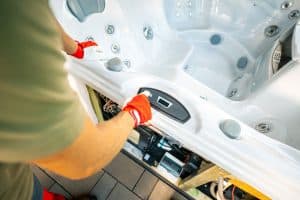
Hot tubs are built for relaxation —

If you’re new to spa ownership or
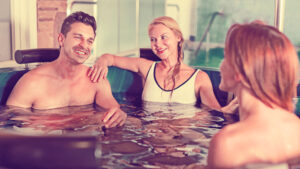
First-time hot tub buyers should know that choosing the right model is about much more than picking the biggest spa or the one with the
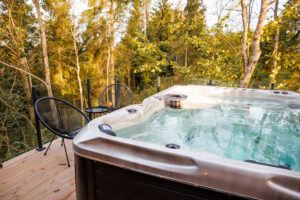
A small hot tub can be a brilliant choice if you want the comfort and relaxation of a spa without using too much garden space.
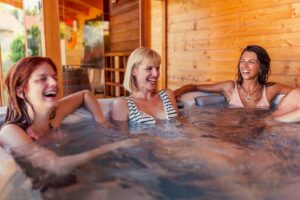
Three person hot tubs are a great middle ground between compact two-seater models and larger family-sized spas. They offer enough space to relax comfortably while