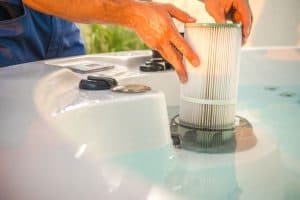
Filters for a Hot Tub: Maintenance Tips for Clean, Clear Water
When it comes to keeping your spa

A small garden hot tub design works best when the spa feels like a natural part of the outdoor space rather than an oversized feature taking over everything around it. With the right positioning, planting, materials and layout, even a compact garden can accommodate a hot tub while remaining attractive and practical for everyday use.
The challenge is deciding how to use the available space effectively. A hot tub might physically fit in a garden, but that does not automatically mean the finished arrangement will feel comfortable. There still needs to be room for moving around, sitting outside, maintaining the garden and enjoying the space when the hot tub is not in use.
Fortunately, creating an appealing garden around a hot tub does not necessarily require extensive landscaping or a complete redesign.
The most successful designs tend to combine three things: a properly positioned hot tub, a clear sense of how the remaining garden will be used, and a few carefully chosen features that bring the whole space together.
One of the most effective ways to incorporate a hot tub into a small garden is to treat it as part of the overall design from the beginning.
If a hot tub is placed in the middle of an existing lawn without considering the surrounding space, it can make the entire garden feel smaller.
Instead, consider dividing the garden into functional areas.
For example, a compact garden might include a hot tub area towards one side, a modest seating space near the house and a narrow planted border to soften the boundary between them.
These areas do not need physical walls or separate surfaces. Differences in paving, planting or furniture placement can make them feel distinct.
A garden does not have to contain lots of features to feel complete.
In fact, too many elements can make a small area appear cluttered.
A hot tub, large dining table, outdoor sofa, extensive planters and several decorative features may all be appealing individually, but together they could overwhelm the available space.
Prioritising two or three features that will genuinely be used often generally produces a more practical layout.
If the hot tub is the main attraction, for example, a simple seating area and some attractive planting may be all that is needed.
Pathways play an important role in making a compact garden feel organised.
A clear route between the house, hot tub and any other seating areas makes the garden easier to use and helps prevent it from feeling overcrowded.
This is particularly useful during winter, when walking across wet grass to reach the hot tub may be less appealing.
A continuous paved path can make the space feel more connected while providing practical access throughout the year.
The position of the hot tub can have a significant effect on how the entire garden looks and functions.
There are several common approaches, each with advantages and limitations.
Positioning the hot tub towards a boundary can leave the central area available for seating, planting or open space.
This can be particularly effective in rectangular gardens, where placing larger features around the edges often creates a more open appearance.
However, it is important not to position the spa so close to a fence or wall that the equipment becomes difficult to access.
Any layout must preserve the servicing clearances required by the specific model.
A hot tub positioned near the property can be convenient, particularly during colder weather.
Shorter walking distances make spontaneous evening use more appealing, and nearby patio areas may be easier to incorporate into the overall design.
The potential disadvantage is that the hot tub can dominate the view from inside the house.
Consider how the garden will look through kitchen or living room windows. Planting, screening or a carefully selected finish can help integrate the spa into the surroundings.
A corner position can create a sense of privacy and make the hot tub feel like a dedicated relaxation area.
This approach works particularly well when combined with attractive boundary treatments or planting.
However, corners can also restrict access to equipment panels, cover lifters and steps.
The right solution depends on the hot tub’s configuration, so positioning should be agreed before landscaping is finalised.
For detailed guidance on the physical space required, homeowners can refer to Total Hot Tubs’ existing guide, Small Hot Tub Space: How Much Room Do You Need?
Every garden is different, but a few illustrative arrangements can help homeowners visualise what might work.
These examples are design concepts rather than installation plans. The precise layout would need to reflect the garden’s dimensions and the selected hot tub.
Imagine a small, enclosed garden with paving across most of the available space.
A compact hot tub could sit against one boundary, with vertical planting and a simple privacy screen creating a defined relaxation area.
A narrow bench or pair of outdoor chairs could occupy the opposite side.
Keeping the paving consistent throughout the garden would help create a unified appearance.
This arrangement works particularly well where there is limited room for traditional lawns or extensive planting.
Rather than trying to incorporate numerous separate garden features, the design uses a small number of elements effectively.
A narrow garden presents a different challenge because placing a large hot tub directly across its width can interrupt the flow of the space.
One possible solution is to position the spa towards the far end, creating a destination within the garden.
The space closer to the house could remain available for outdoor dining or everyday seating.
A simple path connects the two areas, while planting along the boundaries softens the appearance of the garden.
This can create a sense of progression from the house towards a more private relaxation area.
The disadvantage is the longer walk to the hot tub, particularly during winter. Suitable pathway surfaces and lighting therefore become important.
Families may want a hot tub without giving up all the outdoor space used for playing, relaxing or entertaining.
A corner arrangement can leave more of the central garden open, provided suitable access and maintenance space remains available.
For example, a compact spa could sit on a dedicated patio section, with a modest lawn or flexible seating area occupying the remaining space.
The key is to avoid treating the garden as a collection of unrelated features.
Selecting complementary materials and keeping the layout simple can make even a relatively small family garden feel balanced.
Privacy can be particularly important in smaller gardens, especially where neighbouring properties overlook the outdoor space.
However, installing tall solid fencing around every side is not always the best approach.
Heavy screening can make a compact garden feel enclosed and reduce natural light.
A more effective design may involve screening only the areas where privacy is genuinely needed.
Vertical or horizontal slatted screens can provide partial screening while retaining a relatively light appearance.
They may also serve as attractive backgrounds for planting or subtle outdoor lighting.
The degree of privacy depends on the spacing between the slats and the viewing angle.
Evergreen shrubs and suitable climbing plants can provide a softer alternative to hard screening.
Planting can also help integrate the hot tub into the wider garden rather than making it appear like a separate structure.
However, plant selection matters.
Large shrubs may eventually outgrow a small garden, while plants that shed significant amounts of leaves or debris could increase cleaning around the spa.
Consider mature plant size rather than simply choosing what looks attractive at the garden centre.
A pergola may help define the hot tub area and create a more intimate setting.
In some gardens, an open-sided structure can provide a sense of enclosure without completely blocking the sky.
However, any overhead structure must be positioned so that the hot tub cover can operate properly, moisture does not become trapped and safe access is maintained.
Planning requirements and the suitability of the structure should also be checked before construction.
Planting can make an important difference to the atmosphere of a hot tub garden.
Without greenery, a compact paved area containing a large spa can feel quite hard and functional.
Carefully chosen plants help soften edges, introduce colour and create visual interest throughout the year.
The aim is not necessarily to surround the hot tub with dense planting.
Instead, use plants to frame the space.
In a small garden, low-maintenance planting is often preferable.
Plants should suit the available light, soil conditions and exposure.
It is also sensible to avoid placing thorny plants beside steps or seating areas, particularly where people may be walking barefoot.
When ground space is limited, climbing plants and wall-mounted planters can introduce greenery without occupying large sections of the garden.
Trellises and suitable supports can also help create attractive boundaries.
This approach is especially useful for narrow gardens and compact courtyards.
Planting should not prevent access to hot tub equipment or interfere with opening the cover.
Large leaves, flowers and other debris can also increase the cleaning required.
A small amount of well-positioned greenery is often more successful than dense planting immediately around the spa.
Yes, although the seating area may need to be more modest than it would be in a larger garden.
One of the biggest design mistakes is trying to accommodate full-sized outdoor furniture alongside the hot tub without considering how people will move between them.
A compact bench, two comfortable chairs or a small bistro table may be more practical than a large corner sofa.
Furniture that can be moved or stored when not needed can also make the space more flexible.
For example, a couple may enjoy using the hot tub during the evening but prefer sitting outside with a coffee during the morning.
A design that accommodates both activities without extensive rearrangement will generally provide greater everyday value.
The aim should be to make the garden useful throughout the day, not simply when the hot tub is operating.
Lighting is particularly useful when a hot tub will be used during autumn and winter.
Good lighting helps people enter and leave the spa safely while also making the surrounding garden more attractive after dark.
However, brighter is not always better.
Strong floodlighting can make a small garden feel exposed and reduce the relaxing atmosphere.
A combination of subtle lighting can be more effective.
For example:
All electrical lighting and equipment should be appropriate for its location, particularly around water, and installed in accordance with relevant electrical safety requirements.
Avoid positioning lights where they shine directly into neighbours’ windows.
There is an important balance between seating capacity and the amount of garden you want to retain.
Choosing a larger model may provide more room inside the spa but leave less space for other activities.
This is where it helps to consider how frequently the additional seats would actually be used.
Total Hot Tubs offers hot tubs across several seating capacities, including 2, 3 and 4-person models, alongside larger options.
For a couple with a compact garden, a two-person model could provide the relaxation they want without occupying unnecessary space.
A household expecting occasional guests may find that a three or four-person option is a better compromise.
The important consideration is not simply the physical size of the spa but how it affects the wider garden.
A slightly smaller hot tub surrounded by comfortable seating and attractive planting may create a more enjoyable overall environment than a larger model that dominates the space.
Homeowners can explore different capacities in the hot tub range before deciding how much space to allocate.
Several seemingly minor decisions can reduce the practicality of a small hot tub garden.
A neatly enclosed hot tub may look appealing in a design, but it can become a problem if essential equipment panels are inaccessible.
Confirm the manufacturer’s maintenance and ventilation requirements before building permanent structures.
Large furniture can restrict circulation space and make the garden feel crowded.
It is generally easier to establish the hot tub position first, then select furniture that fits the remaining usable area.
Combining multiple paving styles, decorative stones, timber finishes and contrasting colours can make a small garden appear visually busy.
A limited palette of complementary materials often creates a calmer result.
A layout that functions well during summer may be less comfortable in wet or cold conditions.
Think about safe access, lighting, slippery surfaces and where towels or clothing will be kept.
Privacy screens, dense planting and overhead structures can all reduce natural light.
In an already enclosed garden, this may make the space feel darker and smaller than necessary.
Balancing privacy with openness is usually preferable to surrounding the entire hot tub area with solid barriers.
A hot tub will not increase the physical space available, but a carefully planned layout can make the garden feel more organised. Consistent materials, clear pathways and restrained planting can prevent the spa from overwhelming the surroundings.
Both can work as part of a garden design. The important factors are structural suitability, drainage, slip resistance and ongoing maintenance. Any surface supporting the hot tub must be capable of carrying the full operating weight, including water and occupants.
Neutral paving, natural timber finishes and complementary planting can create a calm, unified appearance. Lighter colours may help enclosed spaces feel more open, although the best choice depends on the amount of natural light and the character of the property.
Yes. Courtyard gardens and paved outdoor areas can work particularly well with compact hot tubs, provided the installation surface and access arrangements are suitable. Raised planters, climbing plants and decorative containers can introduce greenery without requiring a lawn.
A pergola can help create a defined relaxation area, but it is not essential. In a very compact garden, an overhead structure may make the space feel more enclosed. The decision should account for available light, cover operation, safe access and any relevant planning restrictions.
Designing a small garden around a hot tub is ultimately about making the best use of the available space.
The spa should feel like an attractive and practical part of the garden, rather than something that forces every other feature into the remaining corners.
Thoughtful positioning, simple materials, appropriate planting and carefully planned seating can all help create a balanced outdoor environment.
It is also worth remembering that the smallest hot tub is not automatically the best option. A slightly larger model may provide greater comfort if the surrounding garden can accommodate it without compromising everyday use.
Before committing to a particular layout, establish which features matter most to your household and how you expect to use the garden throughout the year.
Total Hot Tubs offers a range of compact and larger hot tubs, with professional guidance to help homeowners choose a suitable model for their available space. Whether you are planning a complete garden redesign or simply want to introduce a dedicated relaxation area, selecting the right spa is an important starting point.
Phone: 0800 999 8707
Email: info@totalhottubs.co.uk
Find out more: https://totalhottubs.co.uk/
When it comes to keeping your spa

Thinking about adding a small hot tub
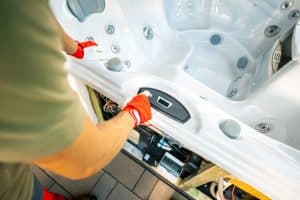
Hot tubs are built for relaxation —

If you’re new to spa ownership or
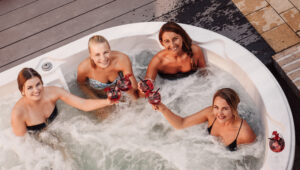
If entertaining friends or family is one of the main reasons you are buying a hot tub, choosing the right size involves more than simply
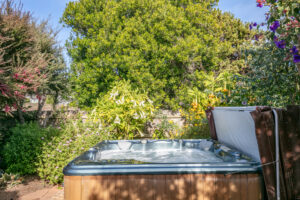
The best hot tub size for a UK garden is the smallest model that comfortably accommodates the people who will use it regularly, while leaving
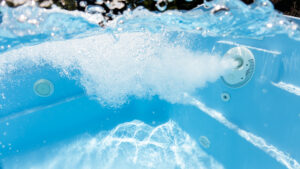
Cloudy hot tub water usually means that fine particles, oils, microorganisms or treatment products are remaining suspended in the water instead of being removed or