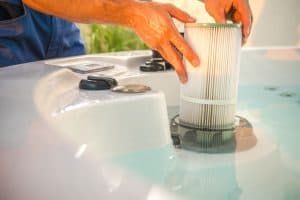
Filters for a Hot Tub: Maintenance Tips for Clean, Clear Water
When it comes to keeping your spa

A swim spa can be better than a swimming pool for many UK homeowners, especially if space, year-round use, exercise, heating efficiency and maintenance are important factors. A swimming pool can still be the right choice if you want a large open swimming area, a traditional pool look or space for several people to swim and play at once.
The best option depends on how you plan to use it. If you want a compact outdoor wellness feature for swimming, hydrotherapy and relaxation, a swim spa can be a very practical choice. If you want a larger leisure area for pool parties, family play and open swimming, a swimming pool may suit you better.
Rather than asking which is universally better, it is more useful to compare how each option performs in a real garden, with real running costs and everyday use in mind.
What is the difference between a swim spa and a swimming pool?
A swim spa is a compact pool-style unit that uses powerful water currents to let you swim in place. Instead of swimming lengths, you swim against a controlled current. Many swim spas also include seating, massage jets and heated water, giving them some of the relaxation benefits of a hot tub.
A swimming pool is usually larger and designed for open swimming, leisure and play. It may be built in-ground or above ground, depending on the property, budget and available space.
The main difference is how the water is used. In a pool, you move through the water. In a swim spa, the water moves towards you. This means a swim spa can provide a swimming experience in a much smaller footprint.
Is a swim spa better for smaller gardens?
For many UK homes, yes. A swim spa is often a better fit for smaller gardens because it takes up far less space than a traditional swimming pool. This can be especially useful where outdoor space is limited or where the garden needs to remain practical for seating, children, pets or entertaining.
A swimming pool needs room not only for the pool itself, but also for surrounding paving, safety measures, plant equipment, access and landscaping. A larger pool can quickly dominate a garden.
A swim spa still needs proper planning, including a strong base, safe access and service clearance, but it is usually more space-efficient. It can be positioned on a patio, in a dedicated spa area or integrated into a garden design.
For homeowners who want the benefits of swimming without giving up most of the garden, a swim spa can be a strong alternative.
Can you swim properly in a swim spa?
Yes, a swim spa can provide a proper swimming workout when the current system is suitable for your ability. The idea is different from swimming lengths in a pool, but it can still be effective for fitness, technique and endurance.
The adjustable current allows you to swim continuously without turning around at the end of each length. This can be useful for people who want steady exercise in a controlled space. Some users enjoy it because it removes the stop-start rhythm of shorter pools.
A swim spa can be used for:
The quality of the swim experience depends on the model. A wider, steadier current usually feels more natural than a narrow or turbulent flow. If swimming is your main priority, it is worth choosing a swim spa designed for fitness rather than only occasional leisure use.
For relevant product information, a suitable internal link could be: swim spas.
Is a swimming pool better for family leisure?
A swimming pool may be better if your main goal is open family leisure. Children often enjoy pools because there is more room to move, play and swim around freely. Larger pools can also accommodate more people at once.
If you imagine inflatables, games, poolside entertaining and multiple people swimming at the same time, a traditional pool may offer more flexibility. It feels more like a recreational space and may suit larger gardens or properties designed around outdoor entertaining.
A swim spa is more focused. It can be used by families, but it is not the same as a large pool. It is better suited to controlled swimming, relaxation, compact leisure and wellness.
For many households, the decision comes down to whether the priority is “swimming and wellness in a smaller space” or “open water leisure in a larger garden”.
Which is better for year-round use?
A swim spa is often better for year-round use in the UK. Because it is smaller than a swimming pool and usually fitted with an insulated cover, it can be easier to keep warm and ready to use throughout the year.
Many outdoor swimming pools are used most heavily in warmer months. Heating a larger pool can be expensive, and the British climate can limit how often it feels appealing unless the pool is well heated and covered.
A swim spa is designed to be used more like a hot tub or wellness product. This makes it more practical for autumn, winter and early spring use. Being able to swim or relax in warm water during colder months is one of the biggest advantages for many owners.
Placement still matters. A sheltered location, good cover and sensible temperature settings can all improve comfort and efficiency.
Is a swim spa easier to maintain than a swimming pool?
In many cases, a swim spa is easier to maintain than a full-size swimming pool because it contains less water and is usually covered when not in use. Less exposed water can mean less debris, reduced heat loss and a more manageable maintenance routine.
However, a swim spa still needs regular care. Water testing, sanitiser levels, filter cleaning and general cleaning are all important. If the spa is used frequently for exercise, water quality must be maintained properly.
A swimming pool may require more time because of its size, exposed surface area and surrounding environment. Leaves, insects and weather can affect outdoor pools, particularly if they are not covered.
A swim spa is not maintenance-free, but for many homeowners it is more manageable than a traditional pool.
For ongoing care advice, a suitable internal link could be: maintenance support.
Which is more expensive to install?
Installation costs vary widely, so there is no single answer. A traditional in-ground swimming pool can involve significant excavation, construction, drainage, heating systems, covers, landscaping and safety features. This can make it a major garden project.
A swim spa is usually a more contained installation, but it still needs careful preparation. You need a suitable base, electrical supply, access for delivery and space for servicing. If cranes, groundworks or decking are involved, costs can increase.
In many cases, a swim spa may be less complex than building a permanent swimming pool, but the final cost depends on the site and specification.
It is important to compare the full project, not just the product price. A cheaper upfront option may not be cheaper once installation, landscaping and long-term running costs are considered.
For planning support, a suitable internal link could be: swim spa installation.
How do running costs compare?
A swim spa may have lower running costs than a large heated swimming pool, mainly because it has less water to heat and a smaller surface area to cover. A good insulated cover can also help retain heat when the spa is not being used.
That said, running costs depend on the size of the swim spa, insulation, usage, water temperature, outdoor conditions and energy prices. A swim spa kept hot all year and used heavily will still have noticeable energy costs.
Swimming pools vary even more. An unheated seasonal pool may cost less to run than a heated year-round pool, but it will also be usable for fewer months. A heated outdoor pool can be costly if it is large, exposed or poorly covered.
For UK homeowners, the ability to use a swim spa regularly throughout the year may make the running costs feel more worthwhile.
Which option is better for fitness?
A swim spa can be excellent for fitness because it encourages regular, convenient exercise at home. You do not need a long pool to swim continuously, and the current can often be adjusted to match your pace.
It is also useful for low-impact movement. Water supports the body, which can make exercise feel gentler on joints. This can be attractive for people who want to stay active without the impact of running or gym-based training.
A swimming pool is still better if you want traditional length swimming, training drills, diving practice or multiple swimmers moving at once. For serious swimmers, the size and depth of the pool may matter.
For general home fitness, however, a swim spa can be more convenient and space-efficient.
Which is better for relaxation?
A swim spa often has the advantage for relaxation because many models include heated seating areas and massage jets. This gives you a combination of swimming, hydrotherapy and warm-water relaxation in one product.
A swimming pool can also be relaxing, especially in a beautifully landscaped garden, but it does not usually offer the same hot tub-style experience unless separate spa features are added.
If you want one outdoor wellness product that supports exercise, recovery and relaxation, a swim spa can be a more versatile choice.
What about property value and appeal?
Both swim spas and swimming pools can improve lifestyle appeal, but they affect properties differently. A swimming pool can be a major feature, especially in larger homes, but some buyers may see it as expensive to maintain or unsuitable for UK weather.
A swim spa can feel more practical because it offers many pool benefits in a smaller and often more manageable format. It may appeal to buyers who like the idea of wellness and home fitness without wanting a full pool.
However, neither should be installed purely on the assumption that it will increase property value. The main benefit should be enjoyment, usability and lifestyle.
When is a swimming pool the better choice?
A swimming pool may be better if you have a large garden, a higher project budget and a clear desire for open-water leisure. It is also better if you want a classic poolside setting or space for several people to swim, play and relax at once.
Choose a swimming pool if your priorities are:
A pool can be a fantastic addition when the property and budget suit it.
When is a swim spa the better choice?
A swim spa is often better if you want a practical, compact and versatile wellness feature. It can combine exercise, relaxation and hydrotherapy while using less space than a traditional pool.
Choose a swim spa if you want:
For many UK households, this makes a swim spa the more realistic and useful option.
Frequently Asked Questions
Can a swim spa replace a swimming pool?
A swim spa can replace a swimming pool for many homeowners, especially where fitness, compact size and year-round use are priorities. It may not replace the open leisure feel of a large pool.
Is a swim spa big enough for family use?
A swim spa can work well for families, but it is best for controlled swimming, relaxing and light leisure rather than large pool games or multiple people swimming freely.
Is a swim spa cheaper than a swimming pool?
A swim spa can be less complex and may cost less than a full in-ground pool project, but costs vary depending on model, site preparation, access and installation requirements.
Can you use a swim spa in winter?
Yes, many swim spas are designed for year-round use. A good insulated cover, sensible placement and proper maintenance help make winter use more practical.
Does a swim spa need planning permission?
Many swim spa installations do not need planning permission, but this depends on the property, location and installation design. Listed buildings, conservation areas or major structural work may require further checks.
A swim spa can be better than a swimming pool if you want year-round use, fitness, relaxation and a more compact installation. It is particularly well suited to UK gardens where space and climate are major considerations. A swimming pool still has advantages for larger gardens, family play and traditional open swimming.
The right choice depends on your lifestyle. If you want a versatile wellness feature that supports exercise and relaxation without taking over the garden, a swim spa is well worth considering. If you want a large leisure area with open swimming space, a pool may be the better fit.
To explore swim spa options and discuss what would work best in your garden, speak to Total Hot Tubs for practical advice.
Phone: 0800 999 8707
Mobile: 07880 358 034
Email: info@totalhottubs.co.uk
Find out more: https://totalhottubs.co.uk/
When it comes to keeping your spa

Thinking about adding a small hot tub
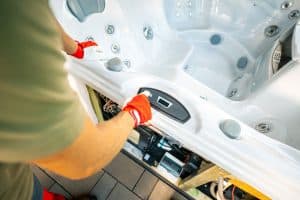
Hot tubs are built for relaxation —

If you’re new to spa ownership or

A swim spa can be a useful setting for low-impact exercise because water supports part of the body’s weight while providing resistance in almost every
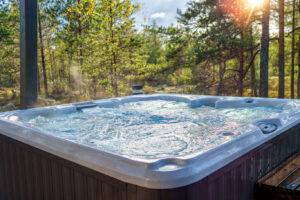
Choosing between a swim spa vs hot tub is a common dilemma for UK homeowners looking to invest in outdoor wellness. While both offer relaxation
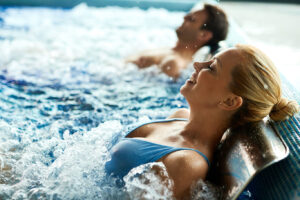
Looking for a way to enjoy both fitness and relaxation at home? A swimspa offers the perfect blend of a compact swimming pool and a