
Filters for a Hot Tub: Maintenance Tips for Clean, Clear Water
When it comes to keeping your spa

A garden sauna can turn an outdoor space into a calm, practical wellness area, but it needs careful planning before installation. It is not just a case of choosing a sauna and placing it in the garden. You need to think about space, access, base preparation, power supply, privacy, ventilation, safety, maintenance and how the sauna will fit into the way you use your home.
For many UK homeowners, a garden sauna is part of a wider outdoor lifestyle setup. It may sit near a patio, hot tub, swim spa or relaxation area. The best installations feel convenient, private and easy to use throughout the year, rather than being squeezed into a spare corner without proper planning.
How much space do you need for a garden sauna?
The amount of space you need depends on the size and style of sauna you choose. A compact garden sauna may only need enough room for two people, while larger models designed for families or guests will need a bigger footprint.
You should allow space for the sauna itself, plus clearance around it for access, cleaning, maintenance and safe movement. It is also important to leave enough room for the door to open comfortably and for people to enter and exit safely.
The surrounding area matters too. A sauna is more enjoyable when there is space to cool down, sit, dry off or move between the house and garden without feeling cramped. If the sauna is part of a wider outdoor wellness area, think about how it will sit alongside other features rather than treating it as a standalone item.
Where should a garden sauna be positioned?
The best position for a garden sauna is somewhere level, accessible, private and sheltered. It should feel like a natural part of the garden, while still being practical to use in colder or wet weather.
Many homeowners prefer placing a garden sauna relatively close to the house. This makes it easier to use regularly, especially in the evening or during winter. A long walk across wet grass can quickly make the sauna feel less convenient.
You should also think about views from inside the sauna, views from the house and how overlooked the area is. If the sauna is positioned near neighbouring windows, footpaths or open boundaries, you may want to include screening or planting.
A good location should balance:
What type of base does a garden sauna need?
A garden sauna needs a firm, level and stable base. The exact base requirements depend on the sauna’s size, weight and design, but it should not be placed directly on uneven ground or soft lawn.
Common base options include concrete pads, suitable paving, reinforced decking or a purpose-built platform. The base should support the structure evenly and help keep it stable over time.
Drainage around the base is also important. Rainwater should not pool beneath or around the sauna, as this can affect the structure, surrounding surfaces and long-term usability. A well-prepared base helps keep the sauna safe, level and easier to maintain.
If your garden is sloped, uneven or prone to standing water, base preparation becomes even more important.
What access is needed for delivery and installation?
Before choosing a garden sauna, check whether it can be delivered and installed in your chosen position. Some saunas may arrive in sections, while others may require more space for delivery and assembly.
Consider the route from the road to the garden. Look at gate widths, side paths, steps, sharp corners, low branches, fences and any tight access points. Even if the final position has plenty of space, installation can be difficult if the delivery route is restricted.
If your garden has limited access, it is worth discussing this early before making a decision. Some installations may need extra planning or a different product style.
This is similar to planning for other large outdoor wellness products, where access is just as important as the final location.
Do garden saunas need electricity?
Many garden saunas require an electrical supply, especially if they use an electric heater or include lighting. Electrical work should always be planned properly and carried out by a qualified professional.
The power supply must be suitable for outdoor use and appropriate for the sauna’s requirements. This may involve a dedicated circuit, safe cable routing and weather-protected connections.
If the sauna is positioned far from the house, electrical planning may become more involved. It is better to understand this before installation, rather than discovering later that the chosen location creates extra cost or disruption.
Wood-fired saunas may reduce reliance on electricity for heating, but they come with other considerations, including flue positioning, fuel storage, ventilation and safe use.
Why does ventilation matter?
Ventilation is important in any sauna. It helps maintain air quality, supports safe operation and contributes to comfort. A sauna should not feel stale, overly stuffy or poorly controlled.
The ventilation requirements will depend on the sauna type and manufacturer guidance. Good airflow helps the sauna heat properly and allows fresh air to circulate during use.
Outdoor positioning can also affect ventilation. Avoid placing the sauna in a location where vents are blocked by fences, walls, dense planting or other structures. There should be enough space around the sauna for it to operate as intended.
Should you think about drainage?
Yes, drainage should be considered before installation. A garden sauna may not use water in the same way as a hot tub or swim spa, but the surrounding area still needs to cope with rain, wet feet and general outdoor use.
If users move between a sauna, shower, hot tub or house, water can collect around the entrance. The route should be safe, non-slip and easy to keep clean.
Good drainage helps prevent puddles, slippery surfaces and long-term damage to the surrounding garden area. If the sauna is installed on decking, drainage and ventilation beneath the structure should be properly considered.
How important is privacy?
Privacy is one of the biggest factors in how much you will enjoy a garden sauna. A sauna is a personal relaxation space, so it should feel comfortable and sheltered from view.
If your garden is overlooked, consider adding privacy screens, fencing, planting or a pergola-style structure. However, make sure any screening does not block essential ventilation or maintenance access.
Privacy should also be balanced with convenience. A sauna hidden at the far end of the garden may feel private, but it may be less appealing to use during cold, dark or wet weather. The best position often offers a sense of seclusion without feeling remote.
Should a garden sauna be close to a hot tub or swim spa?
A garden sauna can work very well as part of a wider wellness area with a hot tub or swim spa. Many people like the contrast between sauna heat and relaxing in warm water afterwards. It can create a more complete outdoor retreat.
If you are planning multiple features, think carefully about the layout. Each product needs its own access, base, safety clearance and maintenance space. The area should not feel cluttered.
A good wellness layout may include:
For related garden planning, a suitable internal link could be: hot tub installation.
What safety factors should you consider?
Safety should be planned from the start. A garden sauna involves heat, electrical or fuel systems, outdoor surfaces and regular movement between warm and cool areas.
The path to the sauna should be safe in wet weather and low light. Steps should be stable, surfaces should reduce slip risk and lighting should make the area easy to use in the evening.
Users should also understand safe sauna habits. This includes sensible session lengths, hydration, cooling down gradually and avoiding use when it would not be appropriate for their health or wellbeing. Anyone with medical concerns should seek professional advice before using a sauna.
If children will be near the sauna, supervision and clear rules are important.
What maintenance does a garden sauna need?
A garden sauna needs regular care to keep it clean, pleasant and in good condition. Maintenance will depend on the design and materials, but it usually includes cleaning benches, ventilating the sauna after use, checking the exterior and keeping the area around it clear.
Outdoor saunas are exposed to the UK climate, so the external finish may need periodic care. Timber, seals, doors, hinges and ventilation points should be inspected from time to time.
Good habits make a big difference. Letting the sauna dry properly after use, keeping footwear and dirt outside where possible and following manufacturer guidance will help extend its lifespan.
If the sauna is part of a wider outdoor wellness area, maintenance should be considered alongside hot tub or swim spa care. For related guidance, a suitable internal link could be: hot tub maintenance.
How will the sauna look in your garden?
A garden sauna is a practical wellness feature, but it is also a visible structure. It should suit the style and scale of your garden.
Think about whether you want it to blend in or become a focal point. A timber sauna can look natural in many garden settings, especially when paired with planting, warm lighting and simple landscaping.
Avoid placing the sauna in a position that blocks key views from the house or makes the garden feel smaller. If the garden is compact, careful orientation and screening can help the sauna feel integrated rather than intrusive.
The best garden sauna areas feel intentional. They are planned as usable spaces, not just installations.
What should first-time buyers think about?
First-time buyers should focus on how the sauna will be used in real life. It is easy to be drawn to appearance, but practical details matter more over time.
Ask yourself:
You should also think about whether the sauna is part of a broader garden upgrade. If you may add a hot tub, swim spa or seating area later, plan the layout with future flexibility in mind.
Frequently Asked Questions
Do you need planning permission for a garden sauna?
Many garden saunas may not need planning permission, but this depends on size, location, height, property type and local restrictions. Listed buildings, conservation areas and boundary positions may require further checks.
Can a garden sauna go on decking?
A garden sauna can sometimes go on decking if the decking is structurally suitable. The deck must be strong, level and able to support the load safely.
Is an outdoor sauna suitable for winter?
Yes, garden saunas can be enjoyable in winter, especially when positioned close enough to the house and paired with a safe, well-lit route.
How close can a garden sauna be to a fence?
This depends on the sauna type, ventilation, access and any heat or flue requirements. It is sensible to leave enough clearance for airflow, safety and maintenance.
Can a garden sauna be installed with a hot tub?
Yes, a sauna can work well alongside a hot tub or swim spa, but each feature needs proper spacing, safe access and suitable installation planning.
A garden sauna can be a fantastic addition to an outdoor wellness space, but it needs more thought than simply finding a spare patch of garden. The best results come from planning the base, access, privacy, power, ventilation, safety and future maintenance before installation begins.
If you are also considering a hot tub or swim spa as part of a wider garden wellness area, Total Hot Tubs can offer practical advice on creating a space that is comfortable, usable and suited to your home.
Phone: 0800 999 8707
Mobile: 07880 358 034
Email: info@totalhottubs.co.uk
Find out more: https://totalhottubs.co.uk/
When it comes to keeping your spa

Thinking about adding a small hot tub
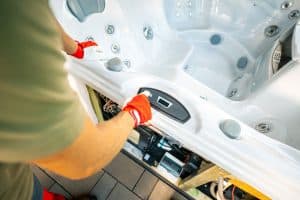
Hot tubs are built for relaxation —

If you’re new to spa ownership or
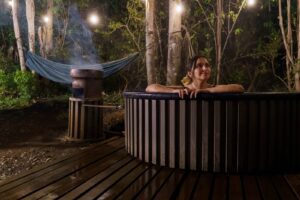
A wood fired hot tub offers a traditional and off-grid way to enjoy outdoor relaxation, making it an appealing option for homeowners looking for something

If you’re seeking a way to unwind that combines rustic charm, sustainability, and total relaxation, look no further than a wood fired hot tub. With
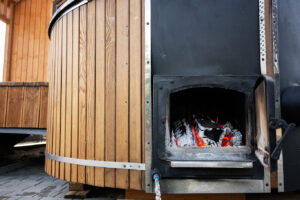
There’s something timeless about wood, warmth, and water coming together under open skies. Installing a hot tub wood fired setup isn’t just about thermal engineering