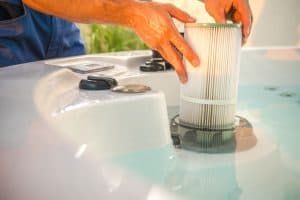
Filters for a Hot Tub: Maintenance Tips for Clean, Clear Water
When it comes to keeping your spa

The main difference between an ice bath and a cold plunge is how the water is cooled and maintained.
A traditional ice bath is usually filled with cold tap water before bags or containers of ice are added to reduce the temperature. It is often prepared for one session and emptied afterwards. A purpose-built cold plunge normally uses an integrated or separate chiller to cool and circulate the water, allowing it to remain at a selected temperature between uses.
The terms are sometimes used interchangeably because both involve immersing part or all of the body in cold water. However, they can describe very different ownership experiences.
An ice bath is generally simpler and less expensive to start using, but it requires a regular supply of ice and greater preparation before each session. A cold plunge usually has a higher initial cost, but it can offer more consistent temperature control, filtration and day-to-day convenience.
Neither option should be treated as automatically suitable for everyone. Sudden immersion in cold water can affect breathing, heart rate and blood pressure. The RNLI explains that cold-water shock can cause an involuntary gasp and rapid breathing, while the Met Office identifies water below 15°C as capable of triggering the response.
Anyone with a medical condition, concerns about cold exposure or uncertainty about their suitability should seek appropriate professional advice before beginning cold-water immersion.
What is an ice bath?
An ice bath is a container filled with water and cooled by adding ice.
The container might be a conventional bath, a temporary barrel, a collapsible tub or another product designed specifically for cold-water immersion. The user usually fills it shortly before use, adds a measured or estimated amount of ice and waits for the water to reach the desired temperature.
After the session, the water may be drained immediately or retained temporarily, depending on the container and the owner’s cleaning routine.
Ice provides the cooling
The defining feature is that the water temperature is reduced by adding physical ice rather than running a powered refrigeration system.
The final temperature depends on:
This can make each session slightly different.
Adding the same number of ice bags in January and July is unlikely to produce an identical result because the incoming water and surrounding air may be at very different temperatures.
It is usually prepared as needed
Many people prepare an ice bath immediately before using it. This can be practical for occasional immersion, particularly when the user does not want permanently installed equipment.
However, preparation takes time. The container must be filled, enough ice must be available and the temperature should be checked rather than guessed.
The water must then be drained safely and the container cleaned and dried where appropriate.
The term can describe several products
An ice bath does not need to be an ordinary household bath. Many products are marketed specifically for home cold-water immersion, including compact upright barrels and portable tubs.
Some modern products called ice baths may also be connected to optional chillers. Once a powered cooling and filtration system is added, the practical distinction between the ice bath and a cold plunge becomes less clear.
The equipment specification is therefore more important than the marketing name.
What is a cold plunge?
A cold plunge is generally a purpose-built vessel designed to hold water at a consistently low temperature.
Many cold plunges use an electric chiller that removes heat from the water. A pump circulates the water through the cooling system, and some models include filters, sanitation features or insulated covers.
Rather than preparing fresh ice before every use, the owner selects a temperature and allows the system to maintain it.
A chiller creates a repeatable temperature
Temperature control is one of the clearest advantages of a powered cold plunge.
If the system is set to a particular temperature, users can create more consistent sessions. The actual performance will depend on the chiller capacity, water volume, insulation and ambient conditions.
A system placed outside in direct summer sunlight may have to work considerably harder than one installed in a shaded, sheltered position.
The water may remain in the unit
Unlike a basic ice bath that is filled and drained around each session, cold plunge water may be retained for longer periods.
This makes filtration and sanitation important. The system needs to control debris and maintain acceptable water quality rather than relying solely on regular replacement.
How long the water can safely remain in place depends on the manufacturer’s instructions, filtration system, treatment method and level of use.
Cold plunges are designed for regular access
A maintained body of cold water can be more convenient for people who want to use it frequently.
There is no need to buy and store large quantities of ice before every session. Once the system has reached temperature and water quality has been checked, it may be ready to use with relatively little preparation.
That convenience comes with additional responsibilities, including maintaining filters, monitoring water condition and caring for the chiller and circulation equipment.
Is the water temperature different?
Both an ice bath and a cold plunge can produce very cold water. The difference is normally the precision and consistency with which the temperature is achieved.
An ice bath might start cold and then become gradually warmer as the ice melts and the session continues. A powered cold plunge can actively remove heat and maintain a narrower temperature range.
Ice baths are harder to predict
Estimating temperature based on the amount of visible ice can be misleading.
The user should measure the water with a suitable thermometer and mix it carefully so that warmer and colder areas are not left within the container.
Adding more ice should not become a competition. Colder water is not automatically more effective or appropriate.
Cold plunges offer adjustable settings
A purpose-built plunge may allow the user to select a temperature through a control panel or connected application.
This can make gradual progression easier because the user can begin at a less demanding setting and adjust it cautiously over time.
The lowest available setting should not be assumed to be the correct setting. Users should follow the equipment instructions and appropriate professional advice.
Consistency can support a planned routine
Research into cold-water immersion uses defined combinations of water temperature, immersion depth and session duration. Reviews indicate that outcomes can vary according to the protocol and the type of exercise completed beforehand.
A temperature-controlled plunge allows the owner to reproduce a chosen routine more easily than an ice-filled bath.
However, consistency does not guarantee a health or performance benefit. Research findings vary, and an approach used in a sports study may not be suitable for an individual home user.
Which option is more convenient?
A cold plunge is usually more convenient for frequent use because the water can be cooled automatically and maintained at a selected temperature.
An ice bath may be more practical for occasional use because it involves less permanent equipment and a lower initial commitment.
Ice baths require preparation
Before each session, an ice bath owner may need to:
The process is manageable when sessions are occasional. It may become expensive or inconvenient when completed every day.
Cold plunges need less session-by-session work
A cold plunge can remain ready for use, provided the water quality, temperature and equipment are checked.
The user does not need to carry ice through the home or wait for it to cool a large volume of water.
There is still ongoing work. Filters need cleaning, the water needs treatment or replacement and the chiller must be maintained.
Convenient does not mean maintenance-free.
Which is cheaper?
A basic ice bath usually has the lower purchase price.
A suitable container, thermometer and bags of ice may be enough to begin. A purpose-built cold plunge with a chiller, pump and filtration equipment normally involves a greater initial investment.
The more economical option over time depends on frequency of use and local costs.
Consider the repeated cost of ice
Buying several bags of ice for each session can become expensive.
There may also be travel, storage and preparation costs. Home ice machines require electricity and time and may not produce enough ice for frequent full-body immersion.
Someone using an ice bath occasionally may never spend enough on ice to justify a powered system. A regular user could reach a different conclusion.
Cold plunges use electricity
A chiller requires electricity to cool and maintain the water. Consumption will vary according to:
A well-insulated unit with a suitable cover should retain temperature more effectively than an uninsulated container.
Buyers should ask for clear technical information rather than relying on a single estimated weekly running cost.
Maintenance costs are different
An ice bath may involve water, ice and cleaning products.
A cold plunge may involve water-treatment products, filters, servicing, electricity and eventual replacement of circulation or chilling components.
The best comparison considers several years of likely ownership rather than the purchase price alone.
How do cleaning and water hygiene differ?
Water hygiene is important for both systems, particularly when more than one person uses the equipment.
Cold water does not mean the water remains automatically clean. Users still introduce perspiration, body oils, cosmetics, hair and environmental debris.
A fresh-fill ice bath may be simpler
When an ice bath is filled with clean water for one user, used once and emptied immediately, there is less need to maintain the same water over an extended period.
The container still needs cleaning. Water left standing between uses may collect debris and allow contamination to build up.
Portable tubs should be dried as the manufacturer recommends to reduce odour, staining and material deterioration.
Retained water requires active management
A cold plunge that stores water between sessions needs an effective filtration and sanitation routine.
Depending on the product, this may involve:
Owners should use only products approved for the system. Household cleaning chemicals can damage equipment, create foam or leave residues on surfaces.
Showering first helps both systems
A quick shower can reduce the amount of sweat, moisturiser, fake tan and other substances entering the water.
This becomes especially important when several household members share the same cold plunge.
The cover should also be replaced after use to keep out leaves, insects and garden debris.
Does a cold plunge require more space?
Not necessarily. Both ice baths and powered cold plunges are available in compact upright forms, as well as longer designs that allow the user to recline.
However, a cold plunge installation needs space for more than the bathing vessel.
The chiller, ventilation, pipes, electrical connection and maintenance access must all be considered.
Portable ice baths can be stored away
A collapsible or lightweight ice bath may be emptied and stored when not required.
This can suit homes with limited permanent garden or patio space. It may also help tenants or people who expect to move home.
The trade-off is that the unit must be prepared again for every use.
Powered equipment needs airflow
Chillers remove heat from the water and release it into the surrounding air. They need sufficient ventilation to operate correctly.
Placing a chiller in a tightly enclosed box may reduce performance and cause overheating unless the installation has been designed for that arrangement.
Follow the manufacturer’s clearance requirements and keep equipment accessible for servicing.
The base must be suitable
Water is heavy. Even a compact plunge can place a substantial load on a small area once it is filled and occupied.
The surface should be level, stable and capable of carrying the complete filled weight.
Decking, balconies and raised structures may need assessment before installation. Do not assume a small external footprint means the load is insignificant.
Can both options be used outdoors?
Yes, subject to the product’s design and installation requirements.
A simple ice bath may be used outdoors and stored away when not needed. A purpose-built cold plunge may remain outside permanently when it is rated for outdoor use and installed correctly.
Weather affects performance
Direct sunshine can warm the water and make a chiller work harder.
Cold winter weather can reduce cooling demand but may introduce frost risks to pipes, pumps and other equipment. A system that contains water cannot simply be switched off during freezing conditions unless it has been drained or winterised correctly.
The manufacturer’s cold-weather instructions should always be followed.
A cover is valuable
A suitable cover can:
The cover should fit securely and remain in good condition.
Plan safe access
Wet feet and cold conditions can make surrounding surfaces slippery.
Provide a stable route, suitable steps and enough room to enter and leave the unit without climbing over equipment.
Outdoor lighting may be needed for evening use, but electrical products near water must be appropriate for their location.
Are the physical effects different?
The body responds primarily to the temperature, depth and duration of immersion, not to whether the cooling was produced by ice or a chiller.
An ice bath and a cold plunge at the same temperature can therefore create broadly similar cold exposure.
However, practical differences may affect the experience.
Floating ice can make the cold feel uneven
In a traditional ice bath, floating ice may come into direct contact with the skin. Water temperature can also vary within the container if it is not mixed.
A circulating plunge generally maintains more even water movement and temperature.
Some people may find circulating water feels more intense because it continually replaces the slightly warmer layer of water next to the skin.
Immersion depth matters
A seated barrel may immerse the body vertically to the chest or shoulders. A longer bath may support a more reclined position.
Research continues to examine whether immersing different body regions affects post-exercise outcomes, and a 2026 systematic review found that the immersed region may influence some recovery measures.
For home users, the priority should be safe access, a stable position and adherence to appropriate guidance rather than trying to achieve the maximum possible immersion depth.
Does cold-water immersion improve exercise recovery?
Cold-water immersion is widely used after exercise, particularly in competitive sport.
Research reviews suggest that it may improve some perceptions of recovery, soreness or performance measures in certain circumstances. Results differ according to the activity, temperature, duration and outcome being measured.
It is therefore more accurate to say that cold-water immersion may support some aspects of short-term recovery than to promise universal benefits.
It may not suit every training goal
Regular cold-water immersion immediately after strength training has been studied for its possible effect on long-term training adaptations.
A systematic review found that regular use may reduce some strength-related adaptations, although the evidence base has limitations and the effects may differ between strength and endurance exercise.
People following a structured training programme may benefit from discussing timing with a qualified coach, physiotherapist or sports professional.
Feeling refreshed is not proof of recovery
Cold water can feel invigorating and may temporarily change how soreness is perceived.
That does not necessarily mean muscle tissue has recovered fully or that it is safe to repeat demanding exercise immediately.
Sleep, nutrition, hydration and appropriate rest remain important.
What safety precautions should you take?
Cold-water immersion should be approached gradually and carefully.
Water below 15°C can trigger cold-water shock, including involuntary gasping, rapid breathing and increased cardiovascular strain.
Although controlled home immersion differs from unexpectedly falling into open water, the body’s response to sudden cold remains relevant.
Do not jump straight in
Enter the water slowly using stable steps or supports.
Sudden immersion increases the likelihood of an uncontrolled gasp and panic response. Keep the face above water and focus on controlling breathing.
Do not practise breath-holding challenges in an ice bath or cold plunge.
Avoid using it alone initially
A second person should be nearby, particularly when someone is inexperienced, using a very low temperature or has concerns about how they may respond.
The area should allow the user to exit quickly without needing to climb over a high, slippery edge.
Do not combine cold immersion with alcohol
Alcohol can affect judgement, balance, circulation and awareness of physical warning signs.
Cold-water immersion should also not be used when feeling unwell, faint or unusually fatigued.
Know when to stop
Leave the water immediately if you experience:
Seek urgent medical assistance where symptoms are serious or do not resolve.
Ask for medical advice when appropriate
People with heart or circulation problems, uncontrolled blood pressure, neurological conditions, pregnancy, reduced sensation or other relevant health concerns should seek medical advice before using cold-water immersion.
This also applies after surgery or when using cold exposure as part of injury recovery.
An ice bath or cold plunge is not a substitute for medical treatment or professional rehabilitation.
Which option is better for beginners?
A beginner does not automatically need an expensive cold plunge.
A simple ice bath can provide an opportunity to discover whether cold-water immersion is something they intend to continue. However, the temperature can be difficult to control without careful measurement.
A cold plunge may be easier for gradual progression because it allows the user to select a consistent, less extreme starting temperature.
Begin with manageable exposure
There is no need to start at the lowest possible temperature.
A slightly cool setting can allow the user to become familiar with controlled entry, breathing and exit. Temperature and duration can be adjusted cautiously if appropriate.
Copying a social media challenge or another person’s routine is not sensible. Cold tolerance and health circumstances vary.
Prioritise exit as well as entry
A beginner may concentrate on getting into the water without considering how they will climb out when cold and wet.
Check that steps, handles and the surrounding surface remain stable. Keep a towel and warm clothing close by.
Warm up gradually after leaving rather than immediately using dangerously hot water.
Which should you choose for your home?
The decision depends on how often the equipment will be used, how much preparation you accept and whether consistent temperature control matters.
An ice bath may be the better fit when:
A cold plunge may be more appropriate when:
Before purchasing either option, check dimensions, filled weight, access, drainage and the manufacturer’s installation requirements.
Frequently Asked Questions
Is a cold plunge colder than an ice bath?
Not necessarily. Either can reach very low temperatures. A cold plunge usually offers more consistent and adjustable cooling, while an ice bath temperature depends on the starting water and amount of ice added.
Can you use a bath as an ice bath?
A household bath can hold cold water and ice, but you should consider safe entry, overflow, surface protection and the effect of very cold temperatures on the bath materials and plumbing. Never assume every bath is suitable.
Do you need to put ice in a cold plunge?
A powered cold plunge normally uses a chiller, so ice should not be necessary. Adding ice may interfere with the intended temperature controls or filtration and should only be done when permitted by the manufacturer.
How often should cold plunge water be changed?
The correct interval depends on the filtration system, treatment method, number of users and manufacturer’s instructions. Water should be replaced sooner if clarity, odour or water quality cannot be maintained.
Can children use an ice bath or cold plunge?
Cold-water immersion can cause a strong physical response and should not be treated as a children’s activity. Seek appropriate medical and manufacturer guidance, and never allow unsupervised access.
Is an ice bath or a cold plunge the better choice?
An ice bath and a cold plunge create a similar core experience: controlled immersion in cold water. The main difference is how that water is cooled, maintained and prepared.
An ice bath is simple and relatively affordable, making it practical for occasional use or for people exploring cold-water immersion for the first time. Its disadvantages include repeated ice costs, preparation time and inconsistent temperature.
A cold plunge requires a larger initial investment but can offer automatic cooling, improved temperature control and greater convenience for frequent users. It also creates ongoing responsibilities for filtration, water care, electricity and mechanical maintenance.
Neither option is better for every household. Choose according to expected frequency, available space, access, budget and willingness to complete regular maintenance.
Most importantly, approach cold-water immersion cautiously. Start gradually, measure the water rather than guessing, enter slowly and seek appropriate professional advice where health concerns are present.
For practical guidance on planning a wider home wellness space alongside a hot tub or swim spa, contact Total Hot Tubs to discuss your garden, installation requirements and available options.
Phone: 0800 999 8707
Email: info@totalhottubs.co.uk
Find out more: Total Hot Tubs
When it comes to keeping your spa

Thinking about adding a small hot tub
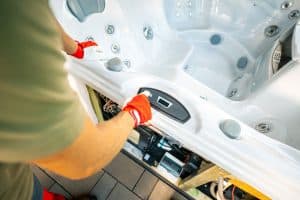
Hot tubs are built for relaxation —

If you’re new to spa ownership or
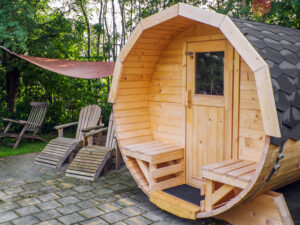
A garden sauna can turn an outdoor space into a calm, practical wellness area, but it needs careful planning before installation. It is not just
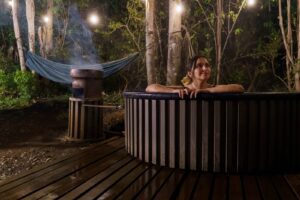
A wood fired hot tub offers a traditional and off-grid way to enjoy outdoor relaxation, making it an appealing option for homeowners looking for something
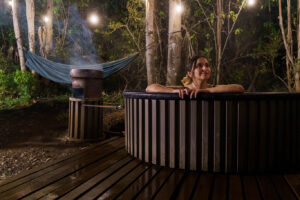
If you’re seeking a way to unwind that combines rustic charm, sustainability, and total relaxation, look no further than a wood fired hot tub. With