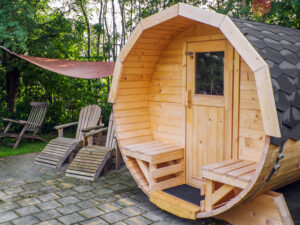
There’s something timeless about wood, warmth, and water coming together under open skies. Installing a hot tub wood fired setup isn’t just about thermal engineering — it’s an aesthetic and experiential statement. In this post, we’ll explore how a wood-fired hot tub can elevate the look, feel, and ambience of your garden, while still offering solid heating performance and sustainability benefits.
Rustic Aesthetics That Complement Nature
Natural Materials & Textural Harmony
Wood-fired hot tubs are often constructed from cedar, redwood, or spruce — woods that age beautifully in outdoor conditions. The natural grain, warm tones, and textures lend a tactile, authentic feel that pairs well with plants, stone, and landscaping elements.
Fire as a Sensory Anchor
The flicker of flames, the soft crackle of burning logs, and the scent of woodsmoke transform an ordinary backyard into a living, breathing space. That sensory connection to fire evokes tradition and comfort in a way that electric tubs can’t match.
Architectural Focal Point
A well-designed wood-fired tub becomes more than a soak spot — it’s a garden feature. With stone bases, timber decking, privacy screens or pergolas, you can design the tub area to become a visual centrepiece of your outdoor space.
How the Wood-Fired System Works (Simply)
- A firebox or stove burns wood to generate heat.
- Heat passes into or under the tub via metal heat exchangers or flues.
- Circulation (either by convection or a small pump) distributes the warm water.
- Insulation and a tight cover help to retain heat once you reach target temperatures.
Every component contributes both function and design — for example, a polished stainless steel flue or forged chimney cap can be a stylish accent as well as a utility part.
Benefits of Hot Tub Wood Fired Systems in Garden Contexts
Off-Grid Heating & Self-Sufficiency
Because the heating relies only on wood (rather than mains electricity), wood-fired tubs are ideal for parts of gardens far from power outlets, remote cottages, or eco builds.
Slower, Intentional Use
Wood-fired tubs naturally promote a slower pace. You tend to plan your soak ahead (so you can stoke the fire), which makes the experience more ritualistic and rewarding.
Seasonal Flexibility
Whether it’s spring mist or a crisp winter evening, the wood-fired system can keep you comfortable in cooler months — often more affordably than electric heating under heavy load.
Longevity & Repairability
Wood-fired systems can be more robust: stove components and flues are durable and less prone to electronic failure. If something breaks, many spare parts are simpler and easier to source.
Design Tips to Maximise Rustic Charm
- Use quality timber — cedar and redwood resist moisture, rot and pests, ageing gracefully over time.
- Blend with landscaping — use native stones, gravel paths, climbing plants or trellises to soften edges.
- Incorporate seating or decking — build a bench, platform or wooden deck around the tub to create a transitional zone.
- Decorative metalwork — flue caps, stove doors, handles or brackets in wrought iron or black steel enhance aesthetics.
- Outdoor lighting — gentle lanterns or low‑voltage garden lights cast warm ambient glows, complementing the firelight.
- Shelters, pergolas or wind barriers — protect the tub area and fire from wind, rain or drafts without losing that open feeling.
- Maintain the finish — use weatherproofing oils or stains selectively to retain wood tone and protect against UK weather.
Considerations Before Committing
- Fuel storage & supply: You’ll need a source of dry, seasoned wood and a covered storage area to keep fuel ready.
- Heating time: Wood-fired systems often take 1–3 hours (or more in cold weather) to reach optimal temperature.
- Insulation & heat retention: Good insulation and a tight-fitting cover are essential to preserve heat and reduce wood use.
- Safety & flue design: Proper exhaust, chimney height, spark arrestors, and fire safety measures (non‑combustible bases, clearances) are critical.
- Circulation & plumbing: Even wood-fired tubs may need pumps or plumbing to ensure even heat distribution.
- Maintenance: Chimneys need regular cleaning, flues checked, and firebox soot/ash removed — this is part of the ritual, not a chore.
Is a Hot Tub Wood Fired System Right for You?
You’ll love wood-fired systems if:
- You value ambience, tradition and immersive experiences
- You live in a garden or setting where power is hard to route
- You enjoy hands-on projects and maintaining your equipment
- You want something that feels integrated with nature
If you prefer instant heat, app control, or minimal effort, an electric or hybrid tub may still be more convenient.
A hot tub wood fired system doesn’t just heat water — it elevates an outdoor space into a garden sanctuary. The marriage of fire, timber, and steam creates a rustic, soulful immersion that aligns beautifully with UK gardens, countryside settings, and eco‑lifestyle homes.
Feel free to explore our Hot Tub Wood Fired range at Total Hot Tubs. We can help you choose a model that combines performance, aesthetics and longevity — and brings that rustic charm to your garden.
Hot Tub Wood Fired FAQs
Q1: How long will it take to heat a hot tub wood fired setup?
A1: Expect between 1 and 3 hours or more, depending on tub volume, outdoor temperature, insulation and fire management.
Q2: Can I combine hot tub wood fired heating with electric backup?
A2: Some hybrid hot tub wood fired designs allow an electric heater supplement for quicker heat-up or backup when wood supply is low.
Q3: How should I protect the wood of a hot tub wood fired setup against UK weather?
A3: Use breathable cover oils or stains, avoid sealing every surface (to allow expansion), and keep wood exposed surfaces dry under eaves or covers.